Most homeowners search for air condition installers on Long Island, NY after the system quits during the first 90 degree stretch, or after a second floor refuses to drop below 78. Two things changed for 2026 that most quotes still get wrong: the federal 25C tax credit is gone, and new equipment ships with a different refrigerant. Here is what the job actually costs now, and how to tell a real installer from a fast one.
2026 AC Installation Costs on Long Island
Pricing only means something when it is tied to scope. The figures below are 2026 estimates for Nassau and Suffolk, subject to an in home assessment.
| Scope | Installed range (2026) | Rebate outlook |
|---|---|---|
| Central AC changeout, ductwork serviceable | $7,500 to $11,000 | Cooling only systems do not qualify for heat pump rebates |
| Changeout plus duct repair or added returns | $10,000 to $14,500 | Cooling only systems do not qualify |
| New ductwork, full system | $16,000 to $25,000 | Qualifies only if installed as a whole home heat pump |
| Ductless, single zone | $4,500 to $7,500 | Single room comfort installs generally do not qualify |
| Ductless, 3 to 4 zones | $13,000 to $22,000 | Whole home heat pump rebate tiers may apply |
What moves you inside a band: tonnage, SEER2 tier, whether the existing line set can be reused, electrical and disconnect work, permit fees, and labor hours.
Two recent jobs from our own schedule, anonymized. A Levittown ranch, 3 ton changeout on existing ducts with two new returns, $9,850 installed, permit and inspection included. A Sayville cape, two zone ductless for a finished attic, $11,400 installed before incentives.
Before you call one quote cheaper, confirm it includes:
- Old equipment removal and disposal
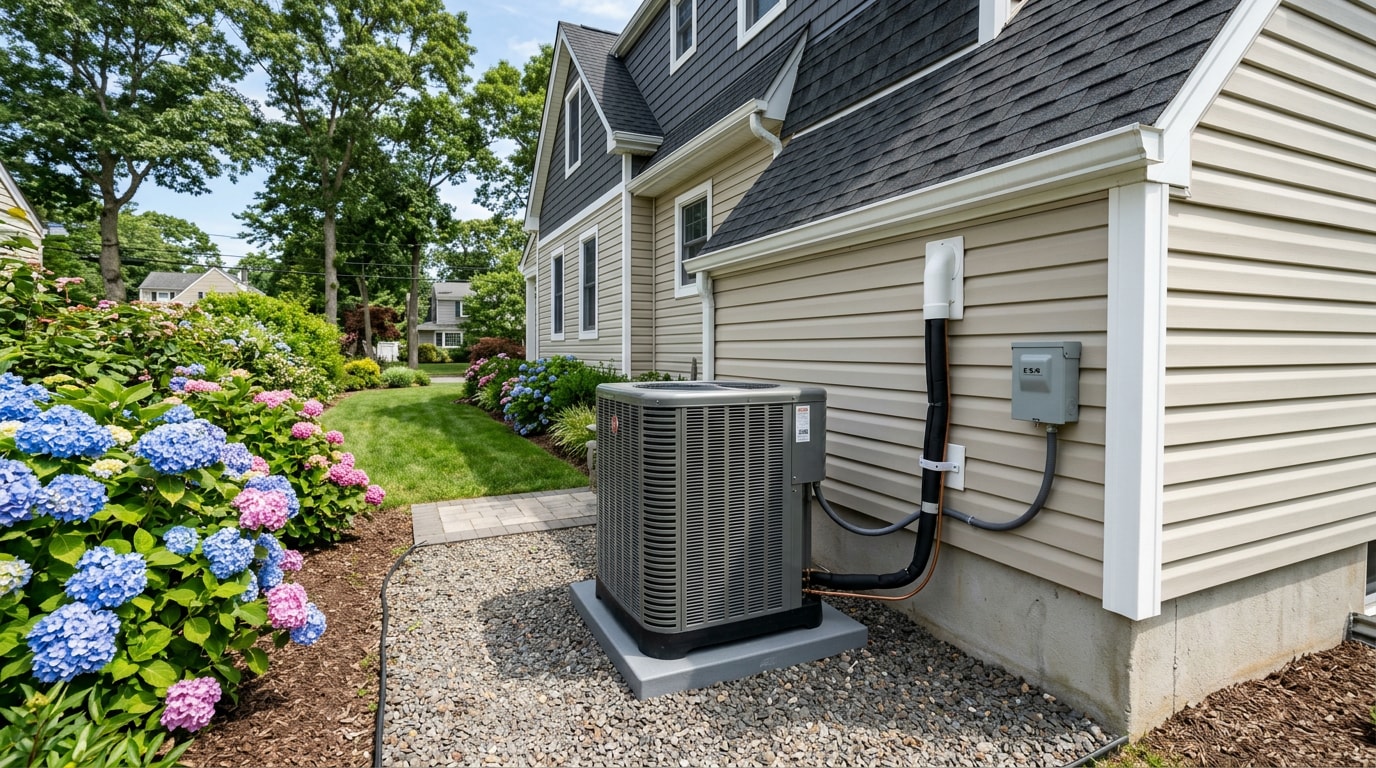
- Pad or mounting and new line set or verified reuse
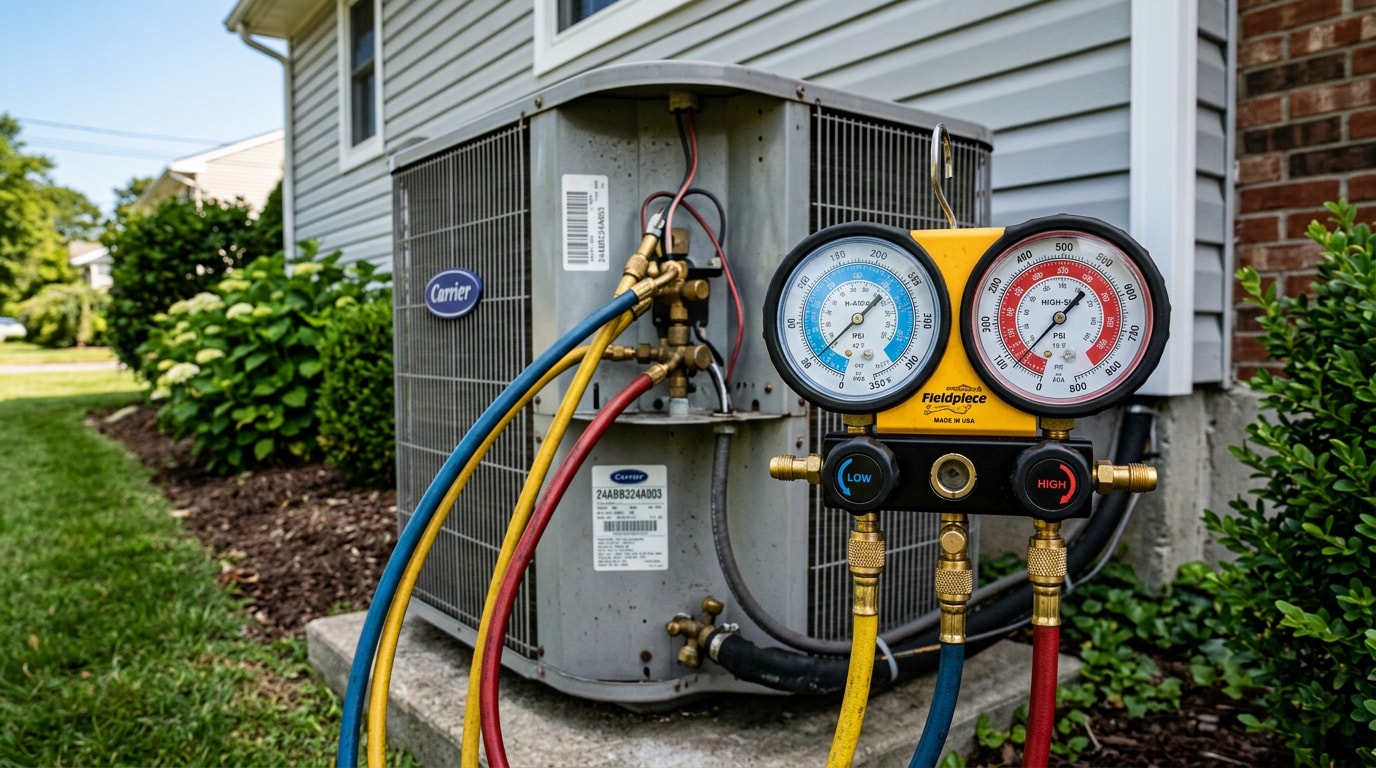
- Evacuation and charging to manufacturer spec
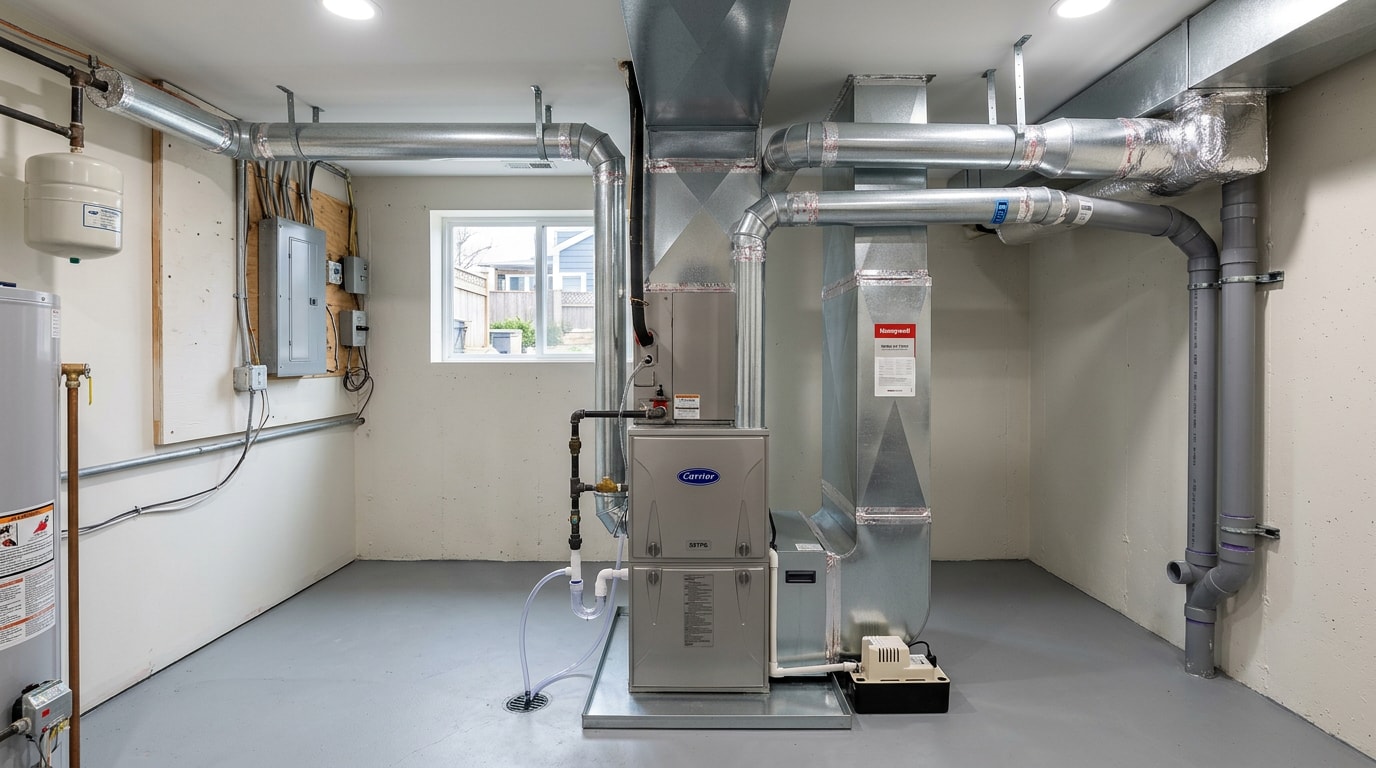
- Duct transitions, condensate drain, and float switch
- Thermostat, startup testing, permits, and inspection
Monthly financing options are available on approved credit, and you can get a free estimate with a line itemed scope before you commit to anything.
What Changed for 2026: Refrigerant and Incentives
This is the part competitors have not updated, and it changes your net cost math.
The federal 25C credit expired. The Energy Efficient Home Improvement Credit no longer applies to property placed in service after December 31, 2025, per the IRS summary of the home energy credit expirations. Any 2026 quote showing a $600 AC credit or a $2,000 heat pump credit as a deduction is using last year's rules.
Utility rebates are now the real money. PSEG Long Island administers whole home heat pump incentives as flat amounts per home, set by income tier and by whether your address sits in a disadvantaged community census tract. Amounts and eligibility shift, so verify the current figures on the PSEG Long Island heat pump rebate page before you build a budget around one.
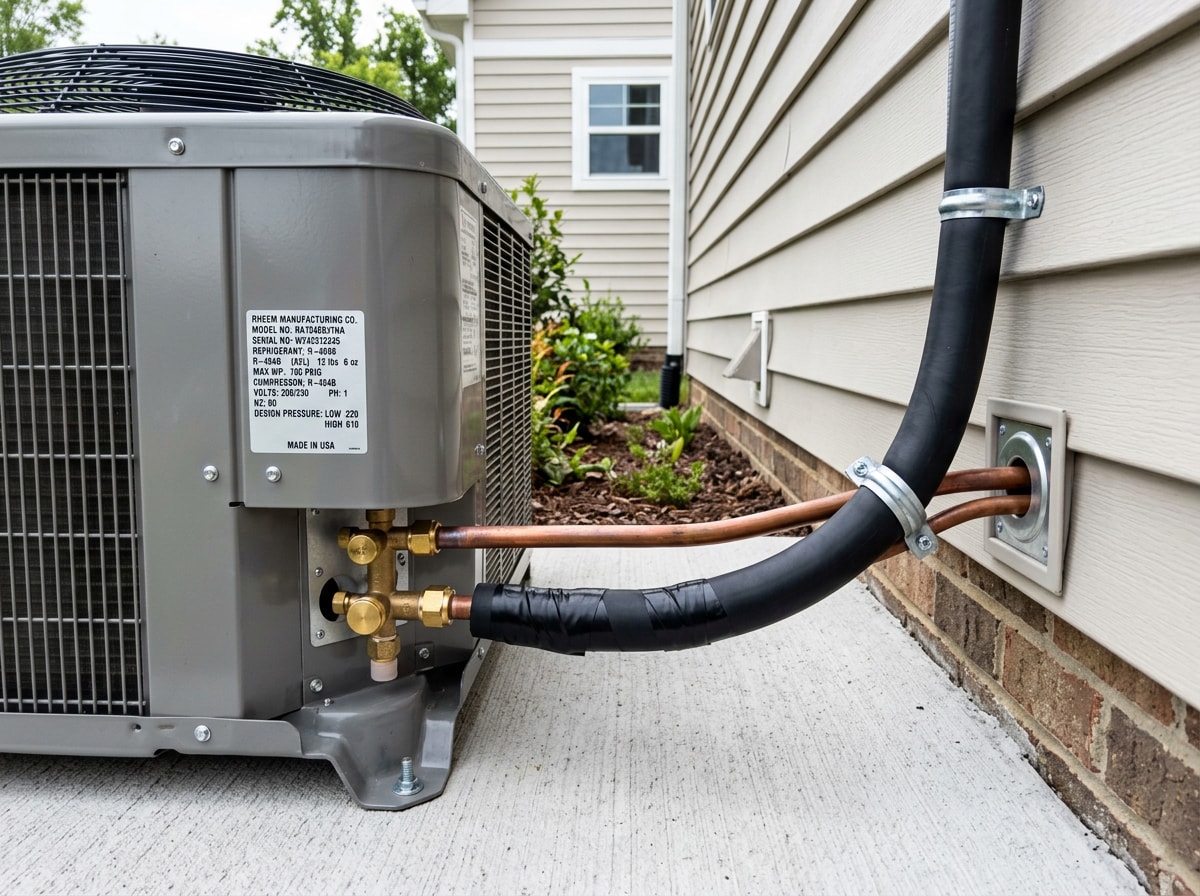
New systems use a new refrigerant. Under EPA's Technology Transitions program under the AIM Act, manufacturing of residential R-410A split systems ended January 1, 2025. New equipment runs A2L refrigerants, mainly R-454B or R-32.
Two practical effects for you. First, A2L equipment is not compatible with an old R-410A coil or a contaminated line set, so a quote that silently reuses both deserves a question. Second, remaining pre-2025 R-410A inventory may still be offered at a discount, which can be fine, as long as the quote says plainly which refrigerant you are buying.
Choosing the Right System for Your Long Island Home
The right system depends less on preference than on what your house will physically accept. Usable ductwork, the era the home was built in, and whatever has been added since decide most of this.
Central Air Conditioning
If ducts exist and hold pressure, a changeout is the cheapest path per ton of cooling. The work worth paying for is not the box outside. It is duct sealing, return air sizing, and a correct charge.
A properly sized mid tier unit on sealed duct transitions beats a premium unit installed carelessly, every season.
Ductless Mini Split Systems
Ductless makes sense where ducts do not exist or do not reach. Think older capes and bungalows, finished basements, attic conversions, garage offices, and the back addition central air never served well.
Each indoor head is its own zone with its own setpoint, so cost scales with head count rather than square footage. Because conditioned air never travels through ductwork, ENERGY STAR notes that ductless systems avoid duct distribution losses, which is part of why they perform well in retrofits.
Agree on three things before anyone drills: head locations, line set routing, and where the condensate terminates.
High Velocity AC
Small duct high velocity exists for a specific problem. Pre war and historic homes in places like Garden City, Rockville Centre, and Northport have plaster walls, no soffit space, and no chases.
Flexible 2 inch tubing threads through existing wall and floor cavities and feeds small round outlets. Dehumidification is excellent, which suits humid July nights here. The trade offs are honest: higher equipment and labor cost, and more noticeable air movement at the outlets.
Plenty of Long Island homes end up hybrid. Central air for the original footprint, plus ductless for the attic conversion upstairs. Both options are covered under our HVAC installation services.
Signs You Need Replacement, Not Another Repair
A replacement decision usually shows up as a pattern, not a single failure.
Age. Most central air systems here last 12 to 15 years. Salt air along the South Shore and the East End, skipped maintenance, and a decade of short cycling push that toward the short end.
Refrigerant type. Check the data plate on the outdoor condenser. A significant leak on an old R-22 system usually makes replacement the only sensible path.
Noise and icing. Grinding or rattling points to a fan motor or bearings. Screeching often comes from the compressor. A frozen evaporator coil means restricted airflow, a filthy coil, or low charge.
Here is the judgment call that matters. Icing plus a confirmed leak on a 14 year old system is a replace signal. The same symptom on a 5 year old system is almost always an air conditioning repair. Either way, shut the system off while it is iced, because running a frozen coil can kill the compressor.
Rising bills. A fouled condenser coil, a weak capacitor, or a slight undercharge all force longer run times for the same cooling. At PSEG Long Island rates, those extra minutes show up fast on a July bill. Annual HVAC maintenance is what keeps a healthy system out of this category.
How to Vet Air Condition Installers on Long Island
New York does not issue a statewide HVAC license. Licensing is handled locally, which is why credentials differ by county.
- Nassau County. Residential HVAC installation requires a Home Improvement Contractor license from the Nassau County Department of Consumer Affairs.
- Suffolk County. Home improvement licensing runs through Suffolk County Consumer Affairs, with insurance and workers compensation on file.
- Refrigerant handling. EPA Section 608 certification is federally required for anyone who opens a refrigerant circuit.
- Technician credential. NATE certification is the most recognized independent test of technical knowledge in the trade.
Ask for the license number for the county your house is in, not just a license. A contractor cleared in Suffolk County is not automatically cleared in Nassau County.
Then ask for three things in writing: a Manual J load calculation, the exact equipment model numbers, and who pulls the permit. If the answer to the third question is "you do," keep shopping.
Our crews are licensed and insured in both counties, our technicians are NATE certified, and you can see completed work on our projects page.
Our AC Installation Process
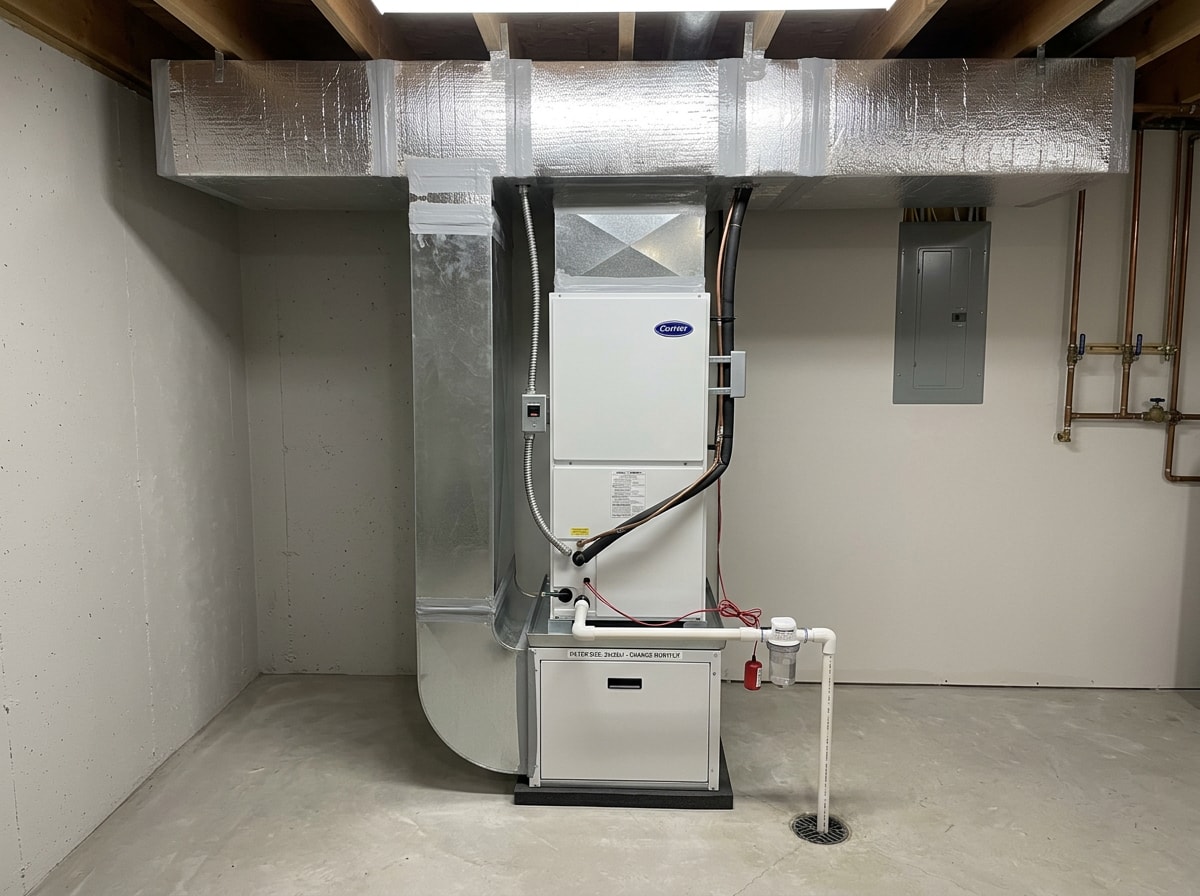
- Free in home estimate. We measure, inspect existing ductwork and the electrical panel, and run a Manual J load calculation. Square footage alone does not size a system.
- Written quote, same day. Line itemed scope, equipment model numbers, refrigerant type, and efficiency tier. Not a single bottom line number.
- Ordering and scheduling. Equipment is confirmed in stock before we book your date.
- Install day. Old equipment removal and haul away, new pad or mounting, line set, electrical disconnect, evacuation and charging to spec, condensate drain and safety switch, thermostat wiring.
- Startup and testing. Static pressure, temperature split, and refrigerant charge verified under load.
- Permits and inspection. We file and meet the inspector. Towns across Nassau and Suffolk handle filing and fee schedules differently.
- Walkthrough. Thermostat setup, filter size and change interval, and what to listen for.
A straight changeout typically runs one day. Duct modifications, a panel upgrade, or a tight attic air handler swap can extend it to two or three.
Local experience shows up in the details. We work constantly in 1950s Levittown ranches, capes in Babylon, split levels in Commack, and colonials in Smithtown, which is why we check attic duct insulation and return air sizing on every cape estimate. Undersized returns are the single most common reason a second floor stays hot after a brand new system goes in.
If your current system fails before the new one is scheduled, our emergency HVAC service covers both counties.
FAQ
How much does air conditioning installation cost on Long Island?
Most installed projects in Nassau and Suffolk run roughly $7,500 to $25,000 depending on scope. Single zone ductless starts lower, around $4,500. The breakdown by system type is in the table above.
Do I need a permit to install central air on Long Island?
Yes, in nearly every town. Mechanical work and the associated electrical work are permitted at the town or village level, and an inspection follows the install. Your contractor should file it and meet the inspector.
Do air condition installers on Long Island need a license?
Yes, at the county level. Nassau and Suffolk both require home improvement contractor licensing for residential HVAC work, and anyone handling refrigerant needs EPA Section 608 certification. Ask for the number tied to your county.
What size AC system does my Long Island home need?
A 2,000 square foot colonial typically lands at 3 to 3.5 tons, but square footage alone does not decide it. Insulation, window orientation, ceiling height, occupancy, and additions all shift the load. An oversized unit short cycles and leaves the house cool but clammy, so insist on a Manual J calculation.
Is ductless cheaper than central air?
For one or two rooms, yes. For a whole house, no. Ductless cost scales with head count, so a four zone system usually meets or passes the price of a central changeout on existing ducts.
Are there any rebates or tax credits for AC in 2026?
The federal 25C credit expired for property placed in service after December 31, 2025. Utility heat pump rebates through PSEG Long Island remain the main incentive, and they apply to qualifying whole home heat pump projects, not cooling only AC.
How long does AC installation take?
A straight replacement on serviceable ductwork is usually a single day. Add new ductwork and plan on two to four days. Panel upgrades and tight attic access are what typically extend the timeline.
When is the best time to schedule an installation?
Spring and fall. Lead times are shorter, scheduling is flexible, and permit offices are less backed up than during a July heat wave.
How often should I replace my air conditioner?
Plan on 12 to 15 years for most systems. Annual maintenance and moderate run hours push you toward the top of that range. Coastal exposure, heavy use, and deferred service pull it down.
Schedule Your AC Installation on Long Island
We install across Long Island, including Levittown, Garden City, Massapequa, Hicksville, Babylon, Commack, Smithtown, Sayville, and Huntington.
Your free in home estimate includes a Manual J load calculation, duct and panel inspection, and a written line itemed quote. Have your electrical panel accessible and your existing system model number handy.
Get a free estimate or start at our home page to see every service we cover.
Prepared by the Amonte HVAC installation team, NATE certified technicians licensed and insured in Nassau and Suffolk County, New York. Questions about a quote you received elsewhere? Send it to us through our contact page and we will tell you what is missing.