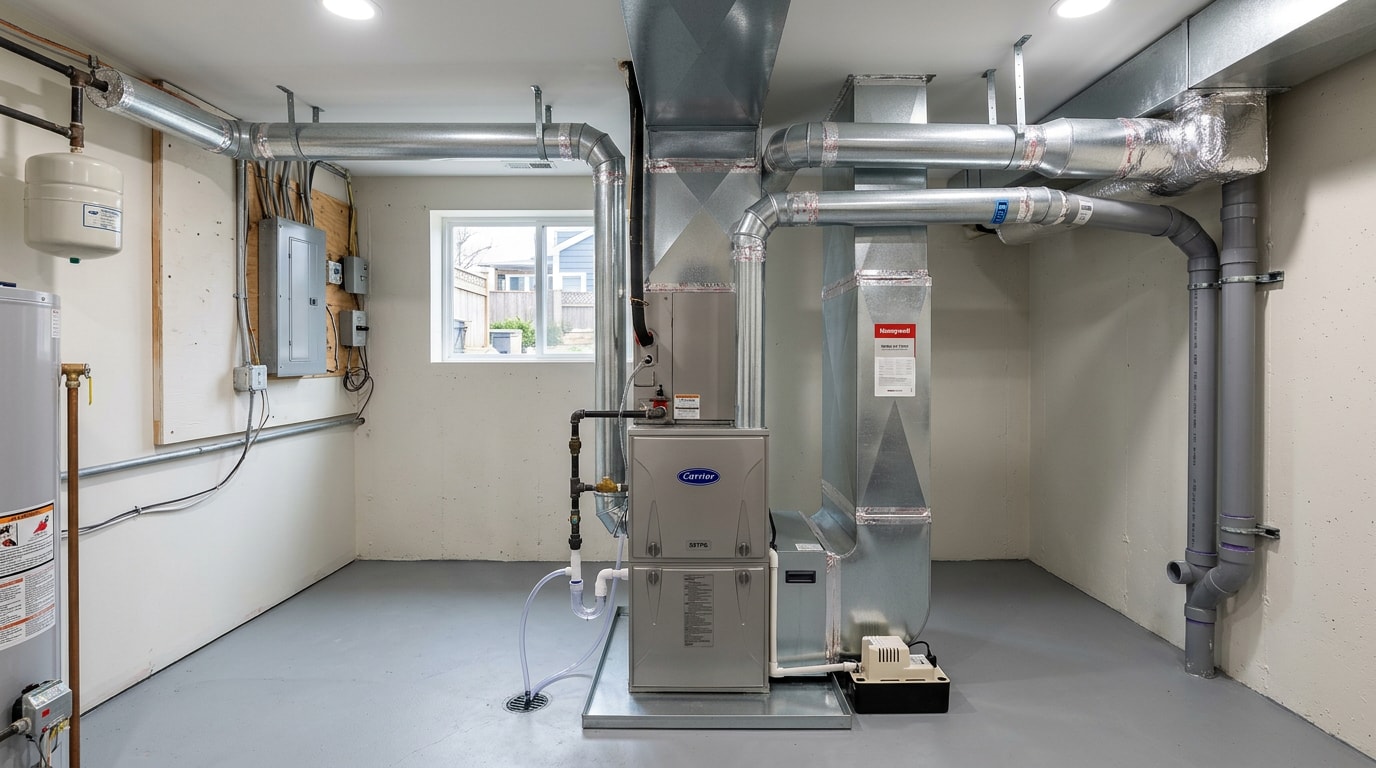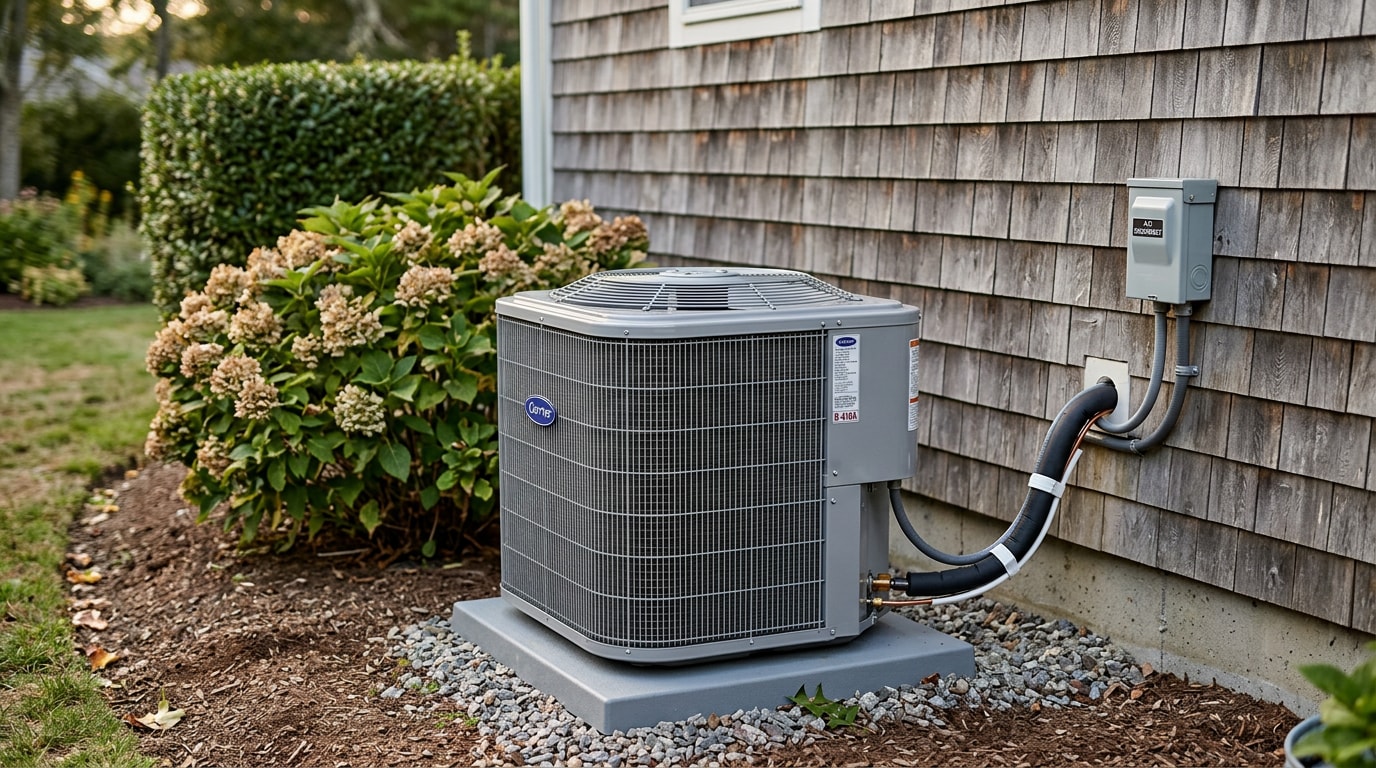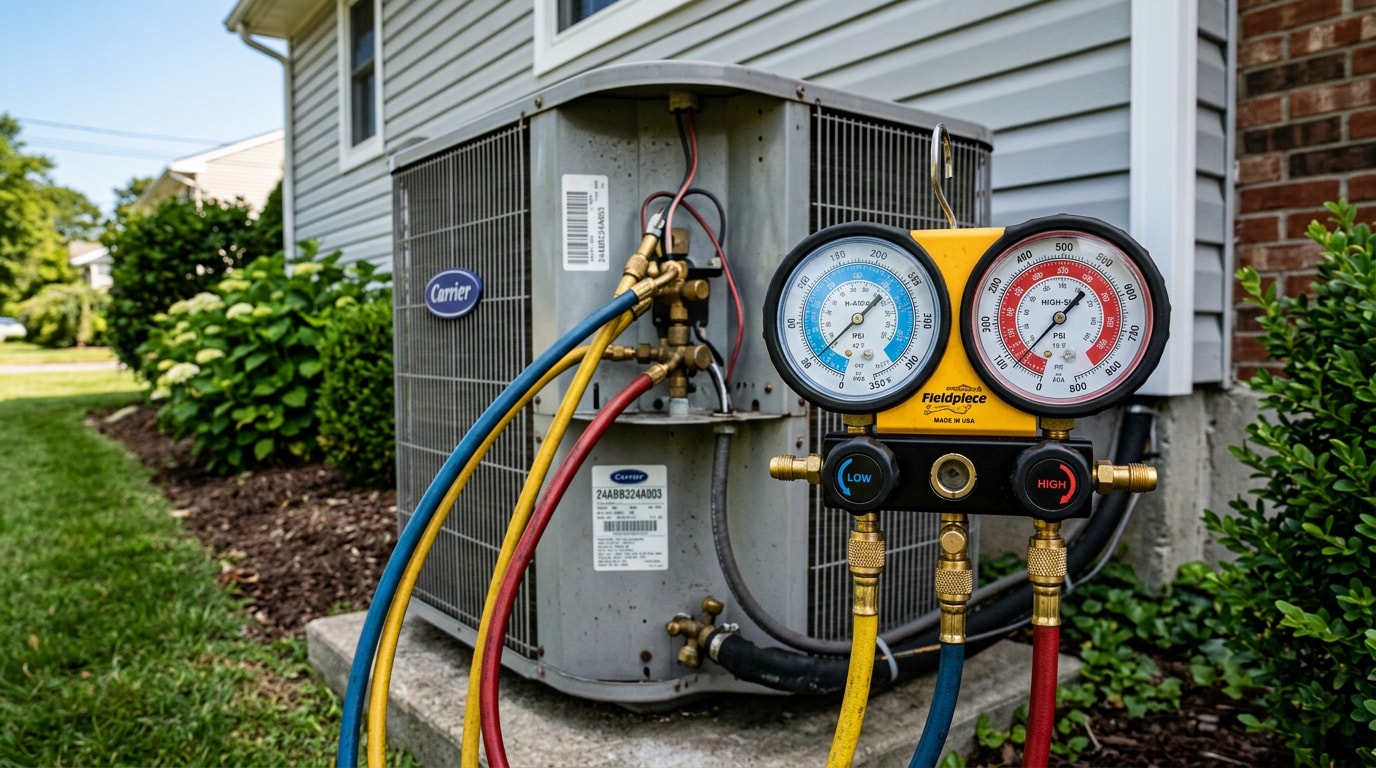
Recharge AC Long Island, NY searches spike every time a system runs nonstop but never actually cools the house. Nine times out of ten, that's low refrigerant from a leak, not a dead compressor. Here's what a 2026 recharge actually costs on Long Island, the signs that point to low refrigerant, and when fixing the leak beats just adding more gas.
Long Island's coastal climate is hard on cooling equipment. Salt air speeds up corrosion on outdoor coils, and heavy summer humidity pushes systems harder than drier inland climates, so refrigerant leaks and low-charge problems show up more often here than in most parts of the country.
Whether you're in Nassau County or Suffolk County, the diagnosis and pricing below apply to most residential systems. Homeowners across our Long Island service area tend to see these issues most in older homes with original ductwork and equipment.
Signs Your AC Needs a Recharge
A refrigerant leak rarely announces itself. It shows up as a handful of smaller symptoms that get worse over a few weeks or a full season:
- Warm or weak airflow from the vents, even with the thermostat set low
- Ice forming on the outdoor line or the indoor evaporator coil
- A hissing or bubbling sound near the outdoor unit
- Longer cooling cycles that never quite hit the set temperature
- A noticeable jump in your electric bill without a change in usage
An AC that won't cool is usually caused by one of four things: a dirty air filter restricting airflow, a failed capacitor that won't start the compressor, a frozen evaporator coil, or low refrigerant from a leak. Technicians typically rule out the cheaper, more common causes before testing the refrigerant charge.
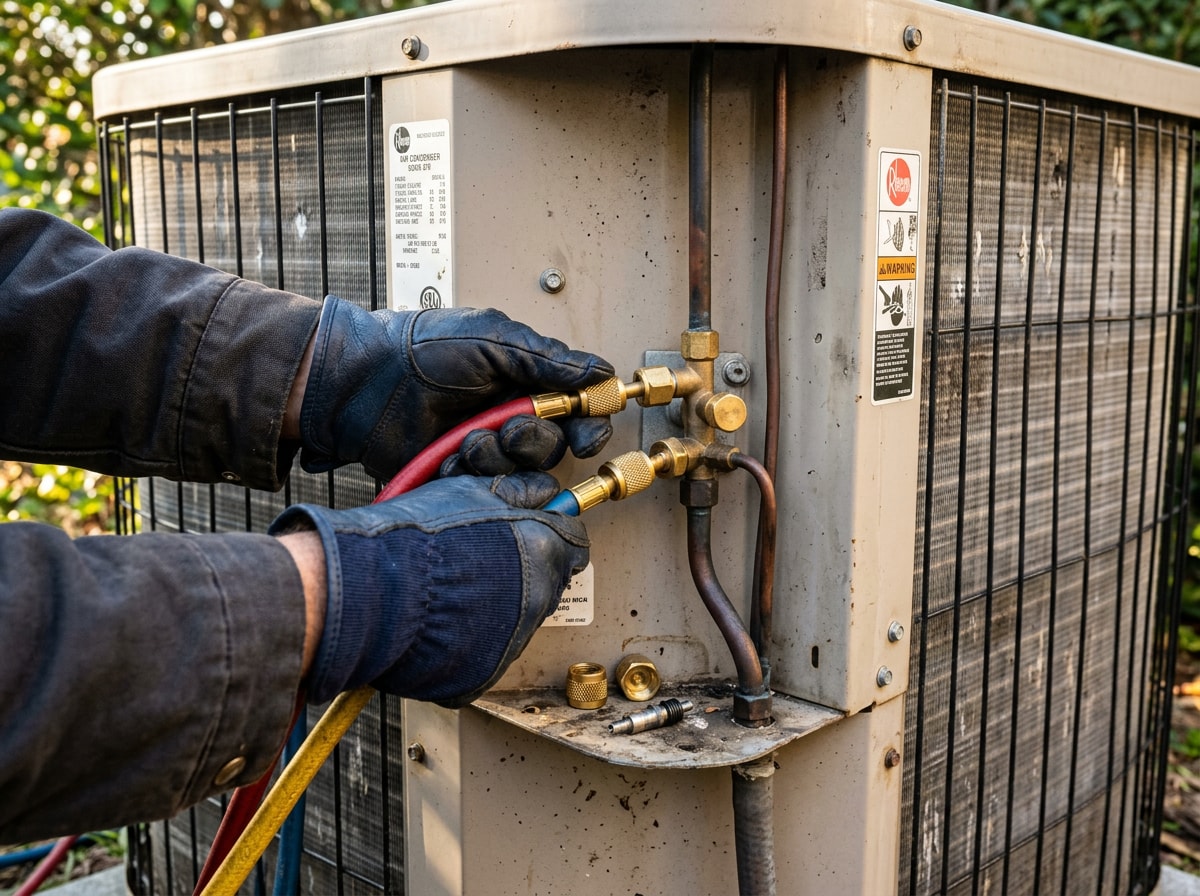
If your system is blowing warm air and the filter is clean and the capacitor checks out fine, low refrigerant is usually next on the list, which is where a recharge comes in. Our AC repair technicians service all brands across Long Island and offer same-day appointments whenever possible.
2026 AC Recharge Costs on Long Island
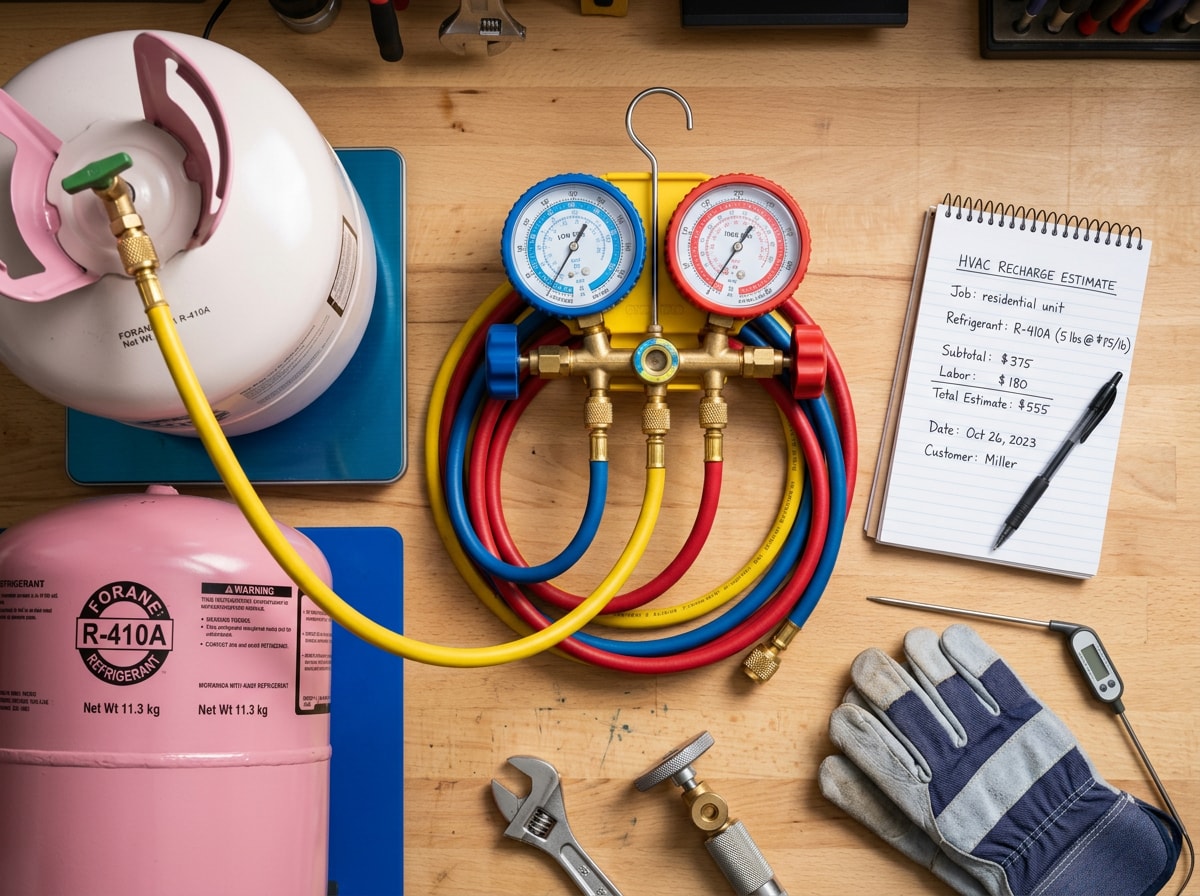
Refrigerant recharge typically runs $200 to $600 on Long Island, depending on how much refrigerant the system needs and which type it uses. The most common alternative to R-22 is R-410A, a non-ozone-depleting HFC refrigerant blend , and it generally costs less per pound than the R-22 it replaced.
For broader context, an AC recharge in New York, NY costs an average of $338, with most homeowners spending between $225 and $563 . Long Island pricing tends to land in a similar band, with coastal corrosion and tight attic access sometimes pushing jobs toward the higher end.
Here's roughly how the three realistic repair tiers break down for 2026:
| Service | R-410A Systems | R-22 Systems |
|---|---|---|
| Recharge only | $200-$450 | $400-$800+ |
| Recharge + leak repair | $450-$1,200 | $800-$1,800+ |
| Full system replacement | $4,500-$8,500 | $4,500-$8,500 |
Pricing varies by contractor, system size, and access, so treat these as planning ranges rather than a quote. If you want a number specific to your house, request a free estimate before committing to any repair.
What Affects the Cost
Unit age, refrigerant type, and equipment accessibility all move the price up or down.
Older systems still running on R-22 cost more to service because the EPA ended new production and import of the refrigerant, which has made the remaining supply scarcer and pricier. On January 1, 2020, the EPA banned the production and import of R-22 , so every pound now in circulation is recovered, recycled, or reclaimed stock. You can read the EPA's R-22 phaseout guidance for the full regulatory background.
Accessibility matters too. Plenty of Suffolk County homes built in the 1960s and 70s have equipment tucked into tight attic crawl spaces, which adds labor time to any repair, recharge included.
Repair vs. Replace: When a Recharge Stops Making Sense
A recharge makes sense when the system is otherwise healthy and the underlying leak gets fixed at the same time. It stops making sense once a unit is 10 to 15 years old and facing a major failure on top of the leak.
A heat pump or air conditioner more than 10 years old is a good candidate for replacement with a unit that has earned the ENERGY STAR label , which can also cut cooling costs going forward. A common guideline in the trade, sometimes called the 50% rule, holds that if repair costs exceed half the price of a new system, replacement is the better long-term value.
Putting $1,800 to $3,500 into an aging unit at that point usually favors a full HVAC installation instead. If you're weighing that decision, our guide on air condition installers on Long Island breaks down current system options and install-day costs in more detail.
How Our Techs Actually Diagnose a Low-Refrigerant AC
A gauge reading alone doesn't tell the whole story. On most no-cool calls across Nassau and Suffolk, we start by checking suction and head pressure against the manufacturer's spec for that exact outdoor temperature, not just a generic "low" reading.
If the charge is low, the next step is a leak search with electronic detection or UV dye, not an automatic top-off. Adding refrigerant to a system that's still leaking buys a few weeks of cool air at best, and it's one of the most common reasons homeowners end up paying for a second recharge the same season.
Trucks on Long Island are typically stocked for common capacitors, contactors, refrigerant, and parts, so most repairs wrap up in a single visit. If your system quits on a 95-degree weekend, our emergency HVAC service covers same-day dispatch for exactly this kind of call.
Annual Maintenance Prevents the Next Recharge
Skipping spring AC service is one of the most common reasons Long Island homeowners end up with a mid-summer breakdown. A slow refrigerant leak can go unnoticed for months without a trained eye checking pressures and connections.
Annual tune-ups catch that kind of early refrigerant loss before it turns into a no-cool emergency. Our HVAC maintenance plans include a refrigerant check as part of every spring visit, which is usually the cheapest way to avoid an unplanned recharge altogether.
How to Avoid Overpaying for an AC Recharge
A diagnostic fee to identify the problem is standard across the trade, and most reputable Long Island contractors waive or credit it once you move forward with the repair.
A few habits keep a recharge quote honest:
- Be cautious of any quote that skips diagnosis and jumps straight to a recharge price. Low refrigerant is a symptom, not always the root cause.
- Ask whether the price includes a leak search, or just a top-off.
- Confirm which refrigerant your system uses before the technician arrives. R-22 jobs cost meaningfully more per pound than R-410A.
- Ask for the diagnostic fee and the recharge price in writing before any work starts.
Flat-rate tune-up plans are one of the better ways to avoid a surprise bill altogether, since they catch small problems before they turn into expensive repairs. If a quote feels high, get a second opinion before authorizing major work. You can also see our full project history on the projects page or start from our homepage to browse every service we offer.
FAQ
Why Is My AC Blowing Warm Air?
Warm air from your vents usually points to one of four issues: low refrigerant, a dirty air filter, a failed compressor, or a frozen evaporator coil. A technician can usually narrow it down with a quick diagnostic check in the same visit.
How Much Does It Cost to Recharge a Home AC?
A home AC recharge typically costs $200 to $600 on Long Island for standard R-410A systems. Older R-22 systems cost more, often $400 to $800 or higher, since that refrigerant is scarcer and more expensive per pound.
Can I Recharge My Home AC Myself?
No. EPA regulations under Section 608 of the Clean Air Act require that technicians who maintain, service, repair, or dispose of equipment that could release ozone-depleting refrigerants into the atmosphere must be certified , so homeowners can't legally buy and add refrigerant to a central AC system. Beyond the legal issue, a DIY recharge can overcharge the system, damage the compressor, or create a safety hazard. You can review the Section 608 certification requirements directly on the EPA's site.
How Long Does an AC Recharge Last?
If the technician finds and repairs the underlying leak, a recharge should last for the remaining life of the system. If the leak isn't fixed, refrigerant will escape again, sometimes within a single cooling season.
How Often Should a Central AC Need to Be Recharged?
A healthy, properly sealed system should never need a recharge. Refrigerant doesn't get "used up" the way fuel does. If you're recharging annually, that's a sign of an unresolved leak, not normal wear.
Is It Worth Recharging a 10+ Year Old AC Unit?
Sometimes, but not always. If the leak is minor and easy to access, a recharge plus repair can still be cheaper than replacement. If the unit is already showing other age-related failures, putting money into an old system usually doesn't pay off.
Anthony Monte is the owner and lead technician at A. Monte HVAC, an HVAC contracting company serving Nassau and Suffolk County homeowners. He and his team hold EPA Section 608 certification for refrigerant handling and have spent years diagnosing cooling problems in Long Island's coastal, humid climate. Questions about your specific system? Contact A. Monte HVAC for a same-day estimate.