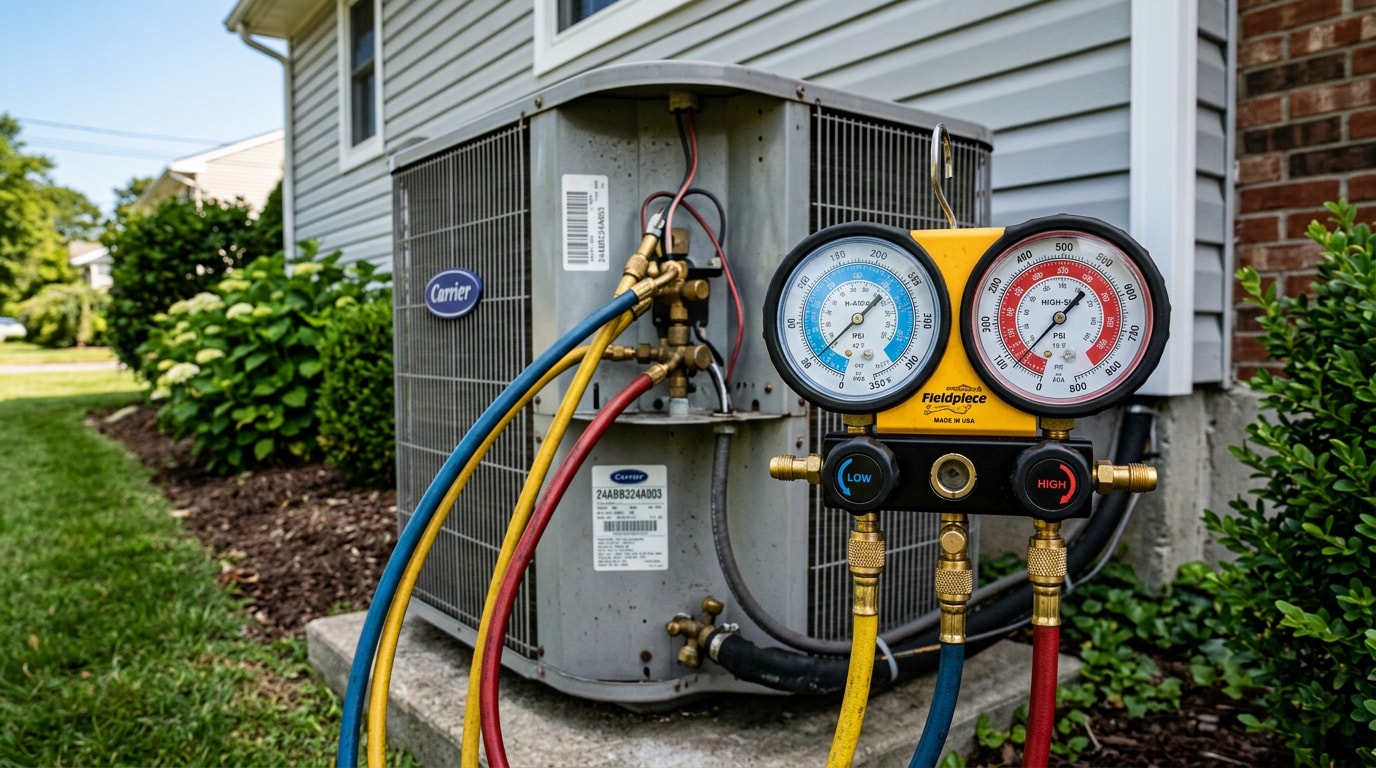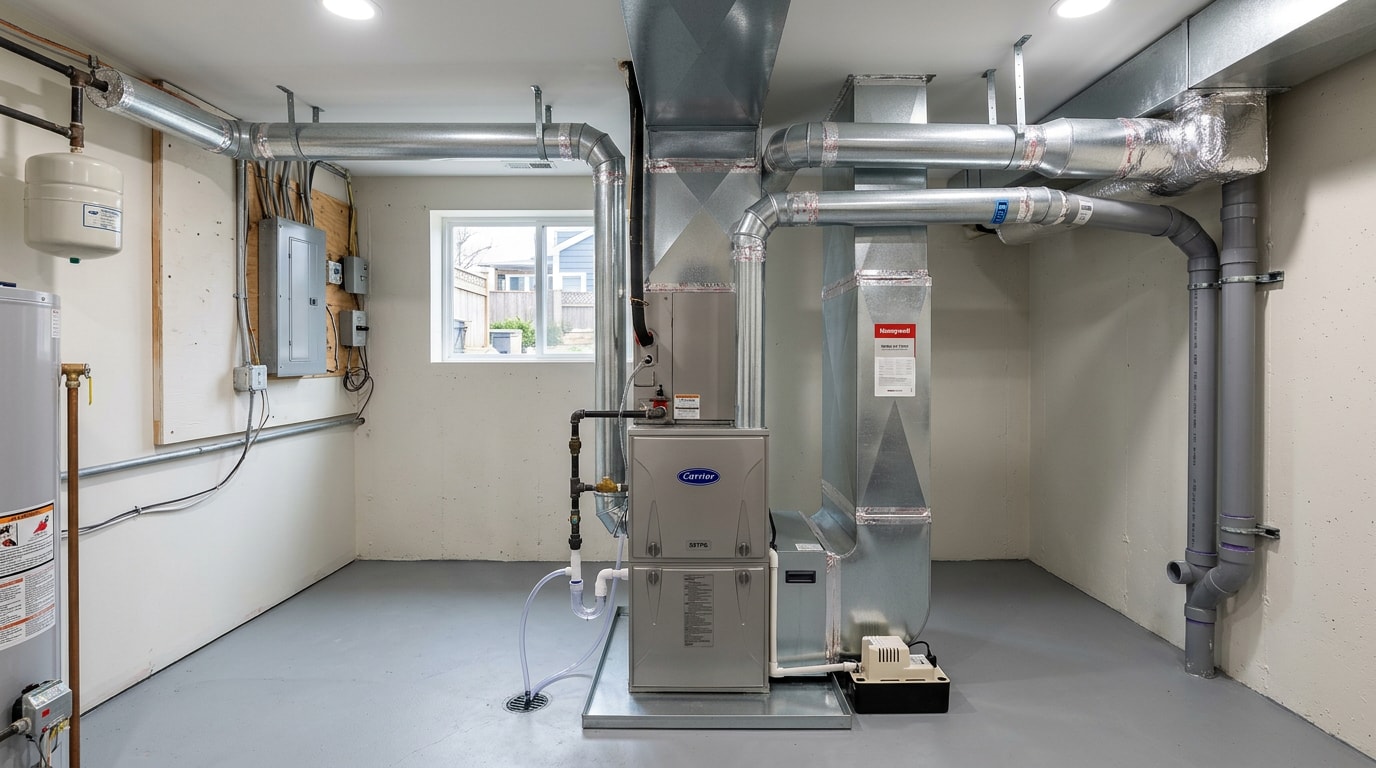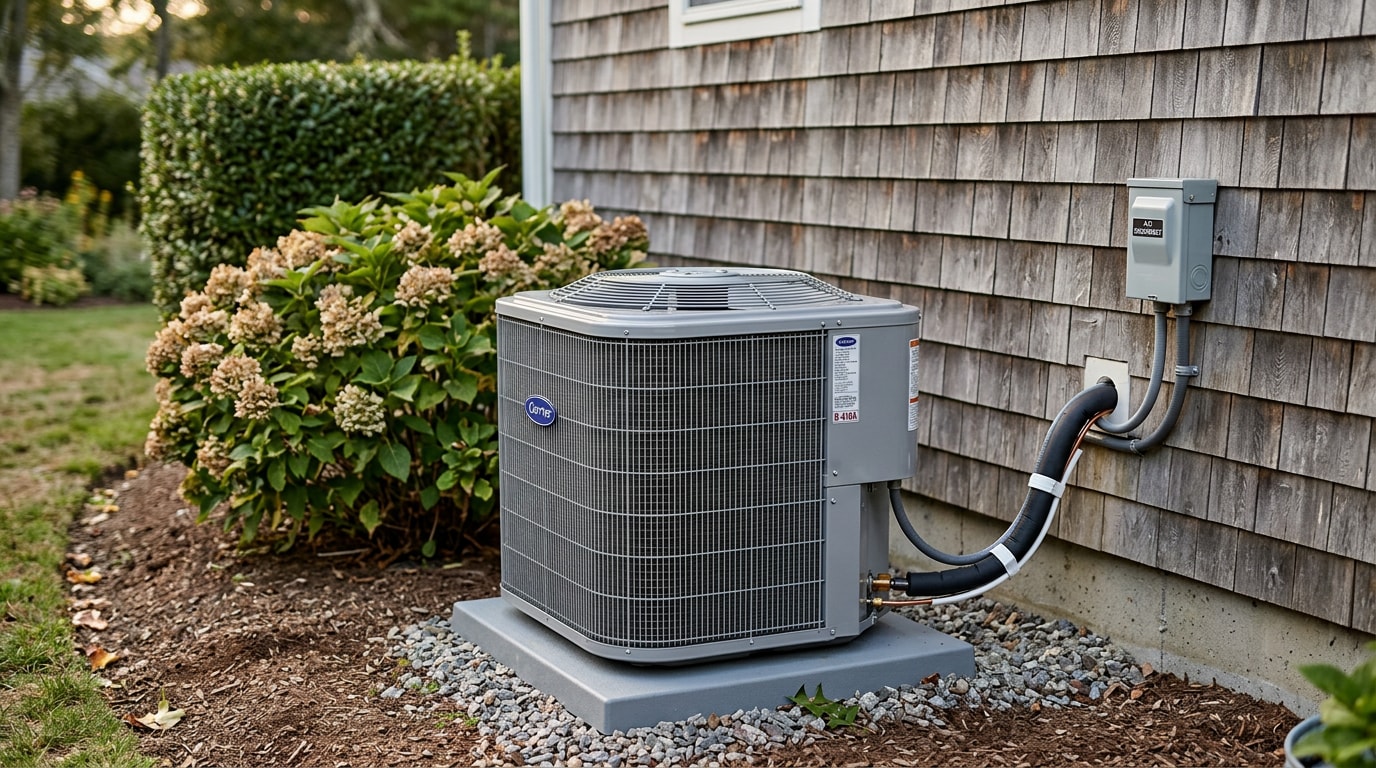
Searching residential AC companies near me in East Hampton, NY usually means one thing: you want a licensed tech at the house this week, not in August. The East End cooling season is short, the service calendar fills fast, and the gap between a good contractor and a bad one shows up on the invoice. Here is how to vet, price, and book one without guessing.
What to Look For in a Residential AC Company in East Hampton
Run every company through the same five checks before you give anyone a deposit:
- Suffolk County licensing. Ask for the home improvement license number in writing, not a verbal "we're licensed."
- Insurance. Request a certificate of insurance showing general liability and workers' comp, emailed directly from the carrier or agent.
- EPA refrigerant certification. Federal rules require certification for anyone whose work could release refrigerant from the system.
EPA regulations under Section 608 of the Clean Air Act require technicians who maintain, service, repair, or dispose of equipment that could release ozone depleting refrigerants to be certified.
- Local dispatch. July traffic on Montauk Highway turns a 20 minute drive into an hour. A crew staged on the East End beats a cheaper quote from a company dispatching out of western Suffolk.
- Written scope. Model numbers, part numbers, labor hours, and warranty terms on paper before work starts.
A genuinely local HVAC contractor also knows the housing stock here: century old shingled cottages with retrofitted ducts, new builds running multi zone systems, and seasonal homes that sit closed for five months and then need to perform on day one.
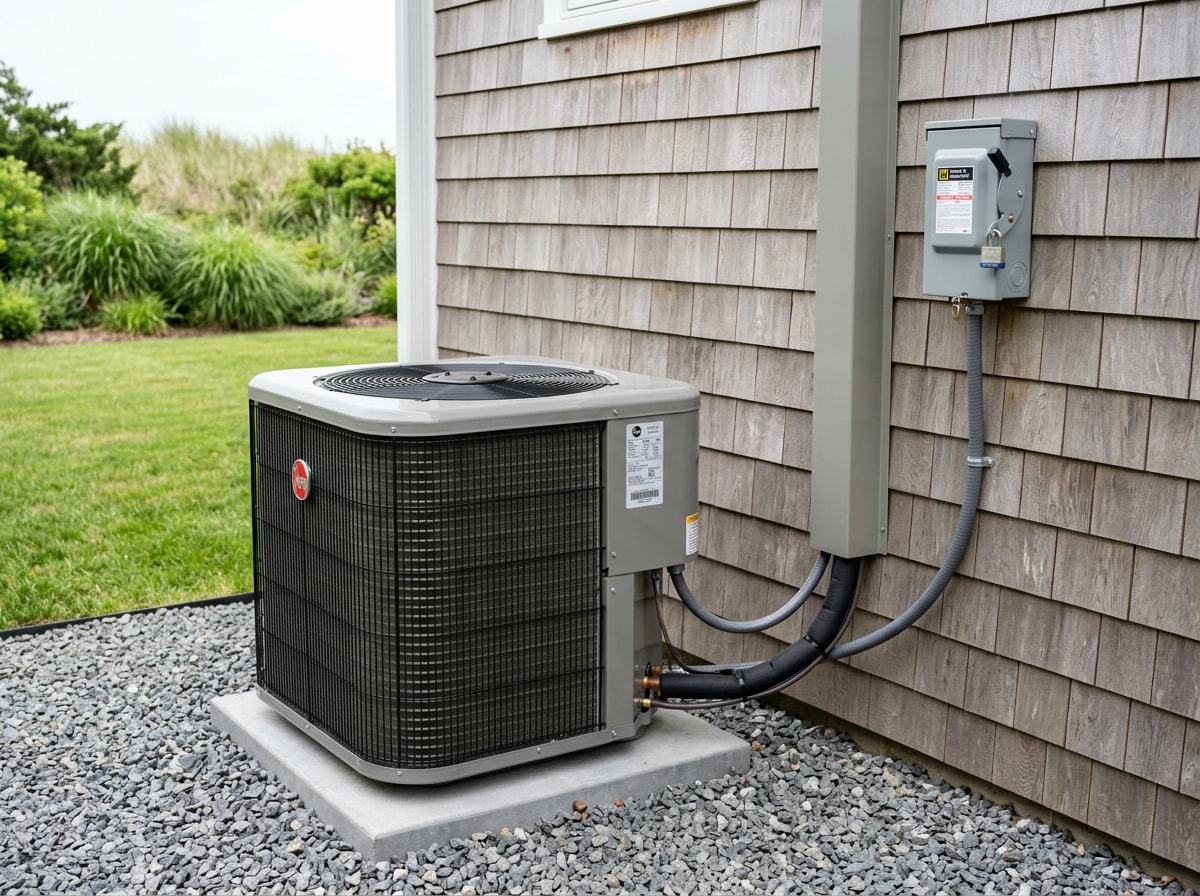
2026 AC Repair and Installation Costs in East Hampton
These are planning ranges for East Hampton and the surrounding East End, not quotes. Your number depends on equipment, access, and timing.
| Service | Typical 2026 range |
|---|---|
| Diagnostic / service call fee | $95 to $225 (often credited toward approved work) |
| Common repair (capacitor, contactor, thermostat) | $200 to $650 |
| Major repair (compressor, coil, refrigerant leak) | $900 to $3,000+ |
| Annual AC tune up | $140 to $300 |
| Central split system replacement | $7,500 to $15,000 |
| Heat pump replacement | $9,000 to $18,000 |
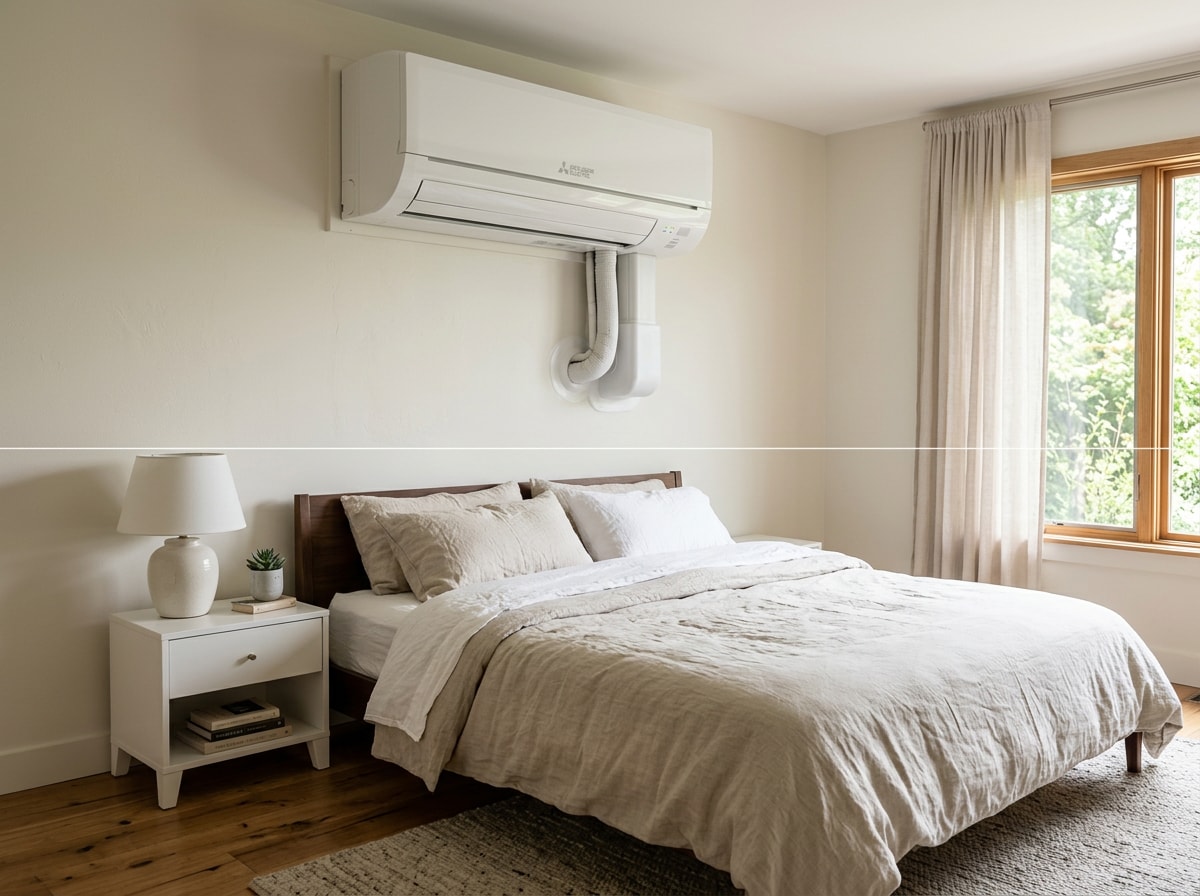
| Ductless mini split, 1 to 3 zones | $5,000 to $16,000 |
What moves the price:
- System type and tonnage
- Which component failed
- Access difficulty, since attic and crawlspace work adds labor hours
- Emergency versus scheduled timing
- Line set, electrical, and condensate work the old install skipped
A real job from our schedule: a 1990s central split near Amagansett would not cool, and the condenser was humming without starting. Diagnosis found a failed run capacitor plus a coil packed with salt spray residue and pollen. Final invoice landed between $300 and $450 with the diagnostic included. Same unit, left another two summers, becomes a compressor conversation.
Three ways to spend less: join a maintenance plan, change filters on schedule, and always ask whether the service call fee applies toward the repair.
Get a free estimate before the first heat wave and you will pay scheduled rates instead of emergency rates.
Repair or Replace? The Decision Rule
Call for air conditioning repair when:
- The unit hums but will not start
- The thermostat gets no response
- Water pools near the air handler
- You hear grinding or smell burning
- Airflow is weak at every register
Start pricing HVAC installation when:
- Repair costs approach roughly half the price of new equipment on an aging unit
- You have needed two or more service calls in one season
- Energy bills keep climbing with no change in use
- The system still runs R-22 refrigerant
R-22 is no longer produced or imported in the United States, so recharging a leaking R-22 system gets expensive fast and only buys time.
Age matters more than people expect. The Department of Energy puts central air conditioner life span around 12 to 15 years and ductless mini splits closer to 15 to 20. ENERGY STAR makes a similar call: if your HVAC equipment is more than 10 years old or not keeping your house comfortable, have it evaluated by a professional contractor, and replacing old equipment with certified equipment can cut an annual energy bill by nearly $140 . See the full guidance on heating and cooling efficiently from ENERGY STAR before you commit either way.
Coastal exposure compresses those timelines. Condensers within a few hundred yards of the ocean corrode faster, which is why salt rated coils and annual coil washes are worth the money here.
Services a Full Service Company Should Cover
Most homeowners do not want three phone numbers for one system.
AC Repair
Pricing spreads wide. At the simple end: clogged filter, tripped breaker, failed thermostat. At the expensive end: seized compressor, burned out capacitor, failed blower or fan motor, refrigerant leak.
Ask which system types a company actually services before booking: central whole house systems, ductless mini splits, and heat pumps running in cooling mode. Not every crew is comfortable on all three.
AC Replacement
A proper replacement is not a box swap. It starts with a Manual J load calculation for correct sizing and an honest look at existing ductwork. Oversized equipment short cycles, never pulls humidity out of the air, and dies early. If your last system cooled unevenly, the ducts are usually the reason, not the condenser.
AC Maintenance
A real tune up under an HVAC maintenance plan covers:
- Condenser and evaporator coil cleaning
- Refrigerant level check and leak inspection
- Drain pan and condensate drain clearing
- Tightening and testing of electrical connections
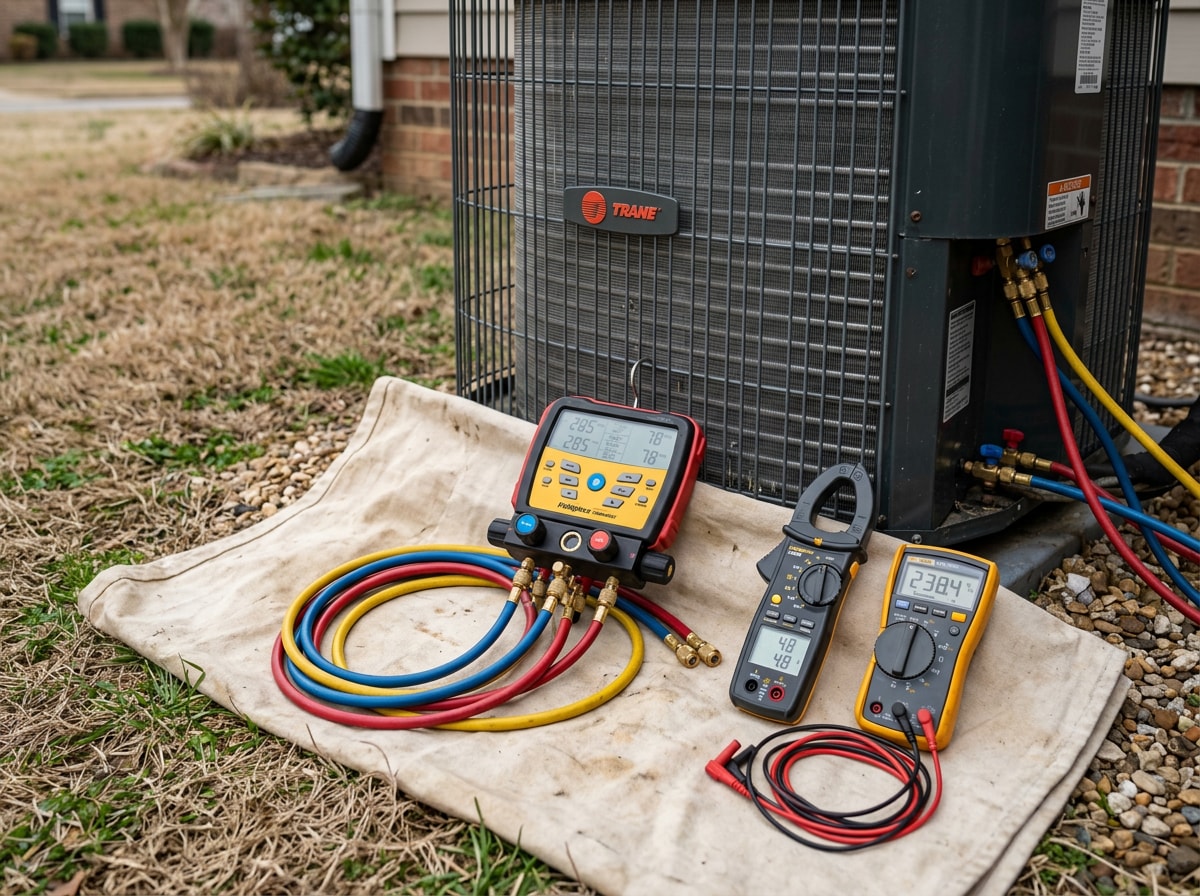
- Amperage draw readings on compressor and motors
- Supply and return temperature split verification
- Filter replacement
Seasonal homeowners who book spring visits skip the June backlog entirely. That is the single biggest scheduling advantage available in this market.
Emergency Service
Ask directly: who answers the phone at 9pm on a Saturday in July? A company with real emergency HVAC service staffing will tell you the response window up front. A company without it will get vague.
Local Rules Most Homeowners Miss
This is where East Hampton differs from the rest of Long Island, and where a non local contractor can cost you.
Noise. The Village of East Hampton rewrote its noise chapter in 2025, and it specifically names the maintenance of a loud fan or air conditioning unit or other cooling device that disturbs the comfort and repose of anyone in the vicinity as a prohibited noise. It is prima facie evidence of a violation if the noise is plainly audible 50 feet from where it comes from. Read the current text in Village of East Hampton Chapter 196 before you let anyone set a condenser under a neighbor's bedroom window. Ask your contractor for the sound rating in decibels of the outdoor unit, and ask where they intend to place it. Variable speed inverter condensers run meaningfully quieter than old single stage units, which matters on tight village lots.
Placement and setbacks. Outdoor equipment is a structure for zoning purposes in many cases. Confirm placement against your lot's side and rear setbacks before the pad gets poured.
Permits. Mechanical and electrical work tied to a system swap generally requires a permit from the Town or Village building department with jurisdiction over your address. Your contractor should pull it and schedule inspection, and the permit number should appear on your paperwork. If a company offers to skip it to save you money, that is your signal to keep calling.
Historic and architectural review. Properties in historic districts can face added review on visible exterior equipment. Budget extra lead time.
For a deeper breakdown of local cost drivers and code triggers, see our guide to AC repair and installation in East Hampton.
How to Compare Bids Without Getting Burned
Get three estimates. Then compare them on these points, in this order:
- The diagnosis. If three companies describe three different problems, the cheapest one is not automatically wrong, but you need to know why they disagree.
- Scope detail. Equipment model numbers, line set replacement, electrical work, disposal of the old unit, permit fees.
- Warranty. Parts coverage is from the manufacturer. Labor coverage is from the contractor. Get both in writing with durations.
- Timeline. Equipment availability in season is real. Ask for a start date, not a season.
- Payment terms. Progress payments are normal. Full payment before work begins is not.
Walk away from high pressure closing tactics, "today only" pricing, and verbal scopes. You can see examples of finished local work on our projects page, and compare that against what any bidder shows you.
Areas We Serve
Coverage runs across the East End and beyond, including East Hampton, Montauk, the greater Hamptons, and the rest of Suffolk County. Check our homepage to confirm coverage for your address, then contact us to book.
FAQ
How much does AC repair cost in East Hampton?
Most residential repairs land between $200 and $650 per unit. Major component failures such as a compressor or evaporator coil run $900 to $3,000 or more. Severity, system type, and what the tech finds during diagnosis drive the number.
How do I choose between AC companies near me?
Shortlist on license, insurance, and EPA refrigerant certification. Then pick based on written scope detail and labor warranty, not the lowest headline price.
Do I need a permit to replace an AC system in East Hampton?
Usually yes for the mechanical and electrical work involved in a full system replacement. Requirements differ between the Town and the Village, so confirm with the building department that covers your address and make sure your contractor pulls the permit.
Should I repair or replace a 15 year old AC?
Lean replace. At 15 years you are past typical central AC life span, parts availability tightens, and a large repair is money spent on equipment near the end of its service life.
How long does an AC tune up take?
Plan on 60 to 90 minutes for a single system. Multi zone setups, mini split head cleaning, and equipment in tight attics or crawlspaces can push past two hours.
Why not do AC repairs myself?
Two hard risks: high voltage circuits inside the condenser and air handler, and refrigerant handling, which requires federal certification. Certification is required for anybody who in the course of maintenance, service, or repair could reasonably be expected to violate the integrity of the refrigerant circuit. See the EPA Section 608 technician certification rules. DIY work can also void manufacturer parts coverage.
How far in advance should I book summer service?
Book maintenance in April or May. By late June the East End schedule is tight, and by the first heat wave you are competing with every other homeowner who waited.
Is annual maintenance actually worth it?
Yes. Dirty coils and clogged filters force longer run times for the same temperature, which raises bills and wears compressors and motors faster. On the coast, annual coil cleaning also slows salt corrosion.