I'll research the SERP landscape and verify sources before finalizing. Key finding on the 25C credit needs verification, plus I need live URLs for external sources. Verifying the efficiency-standard source and a sizing-standard source for external links.
HVAC installation in Suffolk County, NY generally runs somewhere between $8,000 and $22,000 in 2026, and the spread is not random. It tracks three things: the system type, the load your house actually needs, and the condition of the ductwork and electrical service already in place. One thing changed this year that most quotes still get wrong, and it is worth knowing before you sign anything.
What Changed for 2026: The Federal Credit Ended, the PSEG Rebate Did Not
Plenty of HVAC pricing pages still promise a federal tax credit worth up to $2,000 on a qualifying heat pump. That money is gone.
The Section 25C Energy Efficient Home Improvement Credit applied to property placed in service through December 31, 2025. The IRS states you can claim the credit for improvements made through that date, and nothing has replaced it for 2026 installs. Confirm it yourself on the IRS energy efficient home improvement credit page before you let a salesperson add it to a savings estimate.
Why this matters when you are comparing bids:
- A quote that stacks a federal credit on top of a utility rebate is inflating your net cost savings by thousands.
- Two bids can look identical on the bottom line while one is quietly padded with money you will never receive.
- The utility rebate is now doing most of the work, so which contractor you hire matters more than it used to.
That last point is the part homeowners underestimate. PSEG Long Island requires that rebate-eligible heat pump work be done through a participating contractor, so hiring outside that network can cost you the entire incentive.
What Does HVAC Installation Cost in Suffolk County?
There is no single price for this market, and any contractor who gives you one over the phone is guessing. Look at a quote through system type, sizing, and existing conditions, and the gap between bids usually starts making sense.
Cost by System Type
| System type | Typical installed cost (2026) | Incentive picture | What moves the number |
|---|---|---|---|
| Central air, existing ductwork reused | $8,000 to $14,000 | No PSEG heat pump rebate for cooling only | Duct condition, tonnage, efficiency tier |
| Ductless mini-split | $4,500 to $6,500 first zone, $2,500 to $4,000 per added zone | Whole-home multi-zone systems may qualify; a single room head does not | Zone count, line set runs, head placement |
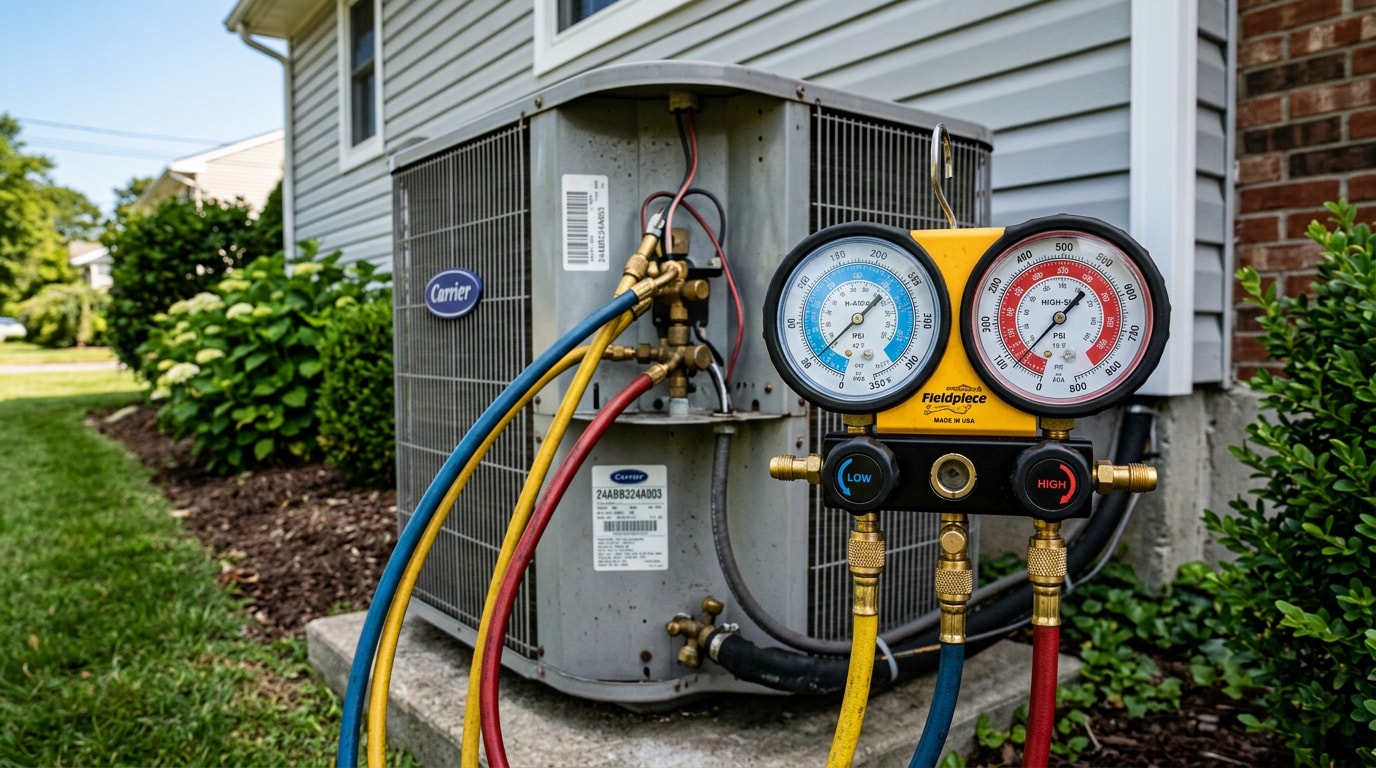
| Cold-climate ducted heat pump | $12,000 to $22,000 | PSEG Long Island rebate when it becomes primary heat | Electrical service, duct upgrades, fuel being replaced |
Treat those as working ranges for Suffolk County homes, not a price list. Confirm with a written local quote.
Ductless pricing behaves differently from the other two. Cost scales per zone, so a 1,400 square foot ranch needing five heads can land above a 2,400 square foot colonial needing three.
Cost by Home Size and Tonnage
Tonnage is shorthand for cooling capacity. One ton equals 12,000 BTU of heat removed per hour.
| Home size | Typical tonnage | Typical installed range |
|---|---|---|
| Up to 1,200 sq ft | 1.5 to 2 tons | $7,000 to $10,000 |
| 1,200 to 1,800 sq ft | 2 to 3 tons | $8,500 to $13,000 |
| 1,800 to 2,500 sq ft | 3 to 4 tons | $11,000 to $16,000 |
| 2,500+ sq ft | 4 to 5 tons | $14,000 to $22,000 |
Square footage gets you in the neighborhood, never to the final answer.
A 1970s split-level with original windows and thin attic insulation can need a full ton more than a same-size home that has been air sealed and re-insulated. Orientation, ceiling height, and shade all shift the number too.
What Is Actually in the Price
Every honest quote breaks the total into the same five parts:
- Equipment: condenser, air handler or coil, thermostat, line set
- Labor: crew time, usually the second largest line
- Ductwork: new runs, repairs, sealing, or nothing if existing ducts test clean
- Electrical: new circuit, disconnect, and in some homes a panel upgrade
- Permits and rebate paperwork: filing fees plus the contractor's time processing incentives
Two of these quietly wreck budgets out here.
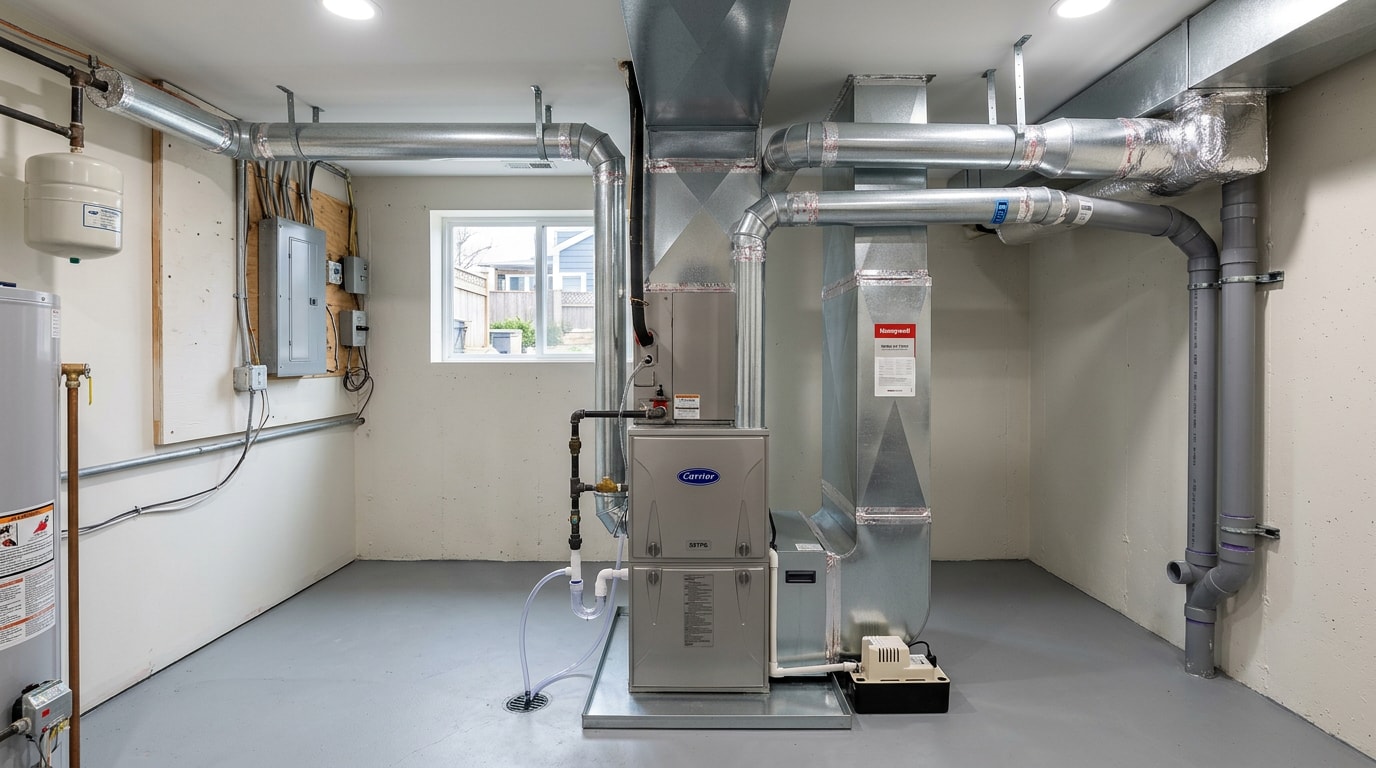
The first is duct remediation. A lot of local housing stock has leaky, undersized, or asbestos-wrapped ducts that need real work before new equipment can perform.
The second is the electrical panel. The most common surprise we run into on Suffolk installs is a 100-amp panel with no spare double-pole space left, which turns a straightforward heat pump job into a service upgrade that can add several thousand dollars on its own. We flag that during the walkthrough, not on install day.
Equipment tier matters as well. In the northern region that includes New York, the federal minimum for a split-system central air conditioner is 13.4 SEER2, per the AHRI summary of residential central air conditioner standards. Anything above that floor costs more, so check the standard rather than take a sales pitch at face value.
Ask every bidder to itemize those five lines. An itemized estimate is the only way to compare quotes that look wildly different on the bottom line. Get a free estimate and you should expect to see all five broken out.
Getting the Size Right: The Manual J Load Calculation
A Manual J load calculation measures your home's actual heating and cooling requirements using square footage, insulation levels, window orientation, ceiling height, air leakage, and occupancy. It sets the tonnage. It should come before anyone picks equipment.
Guessing fails in both directions.
An oversized air conditioner short-cycles. It blasts the air cold, hits the thermostat setpoint, and shuts off before it has run long enough to pull moisture out. You end up with a house that is chilly and clammy at the same time, which is exactly the wrong outcome in a humid Long Island August.
An undersized unit does the opposite. It runs nonstop and never quite reaches the setpoint.
Sizing errors also shorten equipment life, because every start and stop is wear.
Here is your screening question for every bidder: are you running a Manual J, or sizing off square footage? The answer tells you a lot about how the rest of the job will go. Our HVAC installation) process starts with that calculation on every home.
Which System Fits Your House
Central air conditioning makes sense when you already have ducts worth keeping. If a duct inspection shows reasonable sizing and repairable leakage, reusing that distribution system is almost always the cheapest path to whole-home cooling.
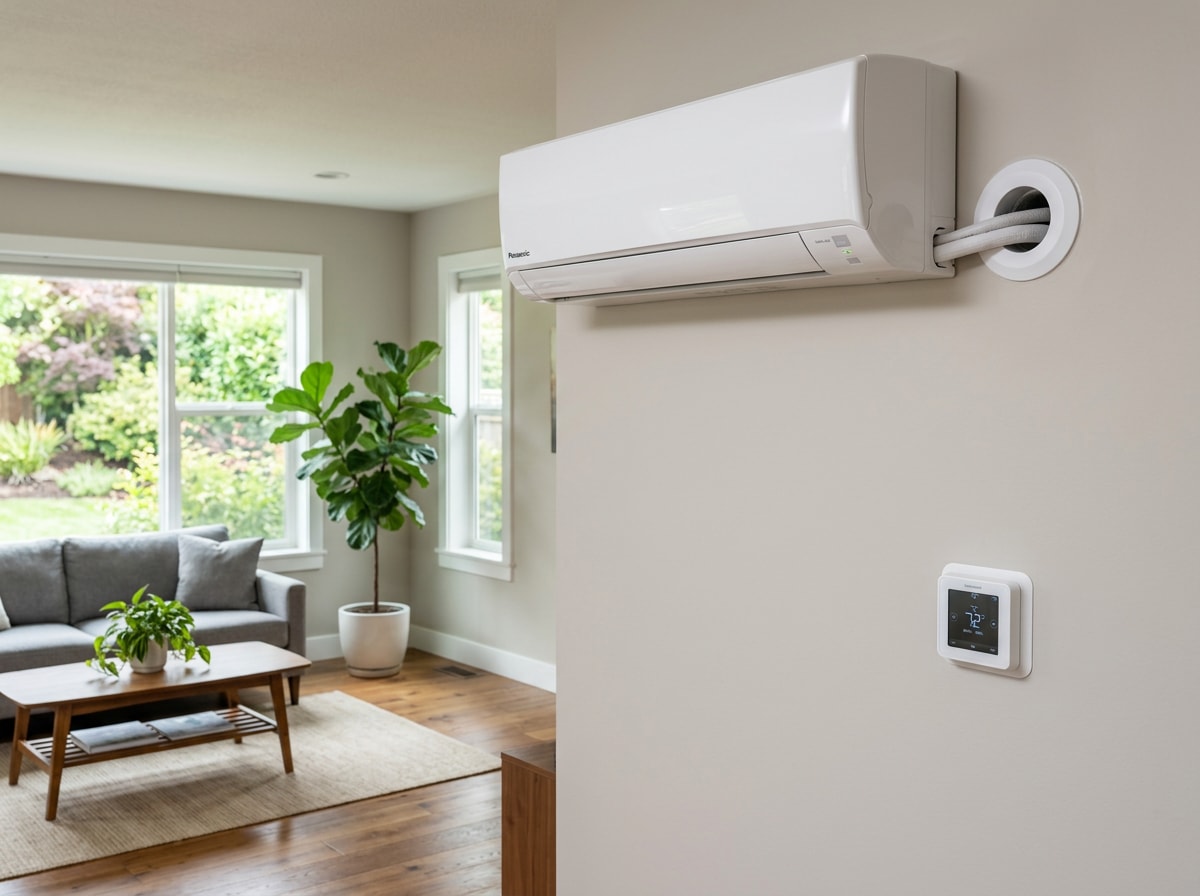
Ductless mini-splits fit homes that never had ducts at all. Many older homes in established Suffolk County towns were built without central ductwork. Zoning is the bonus, since each head runs independently and you stop paying to condition a guest room nobody uses.
Cold-climate heat pumps suit homeowners who want one system handling both seasons. Modern units hold useful capacity well below freezing, which matters during a Suffolk January.
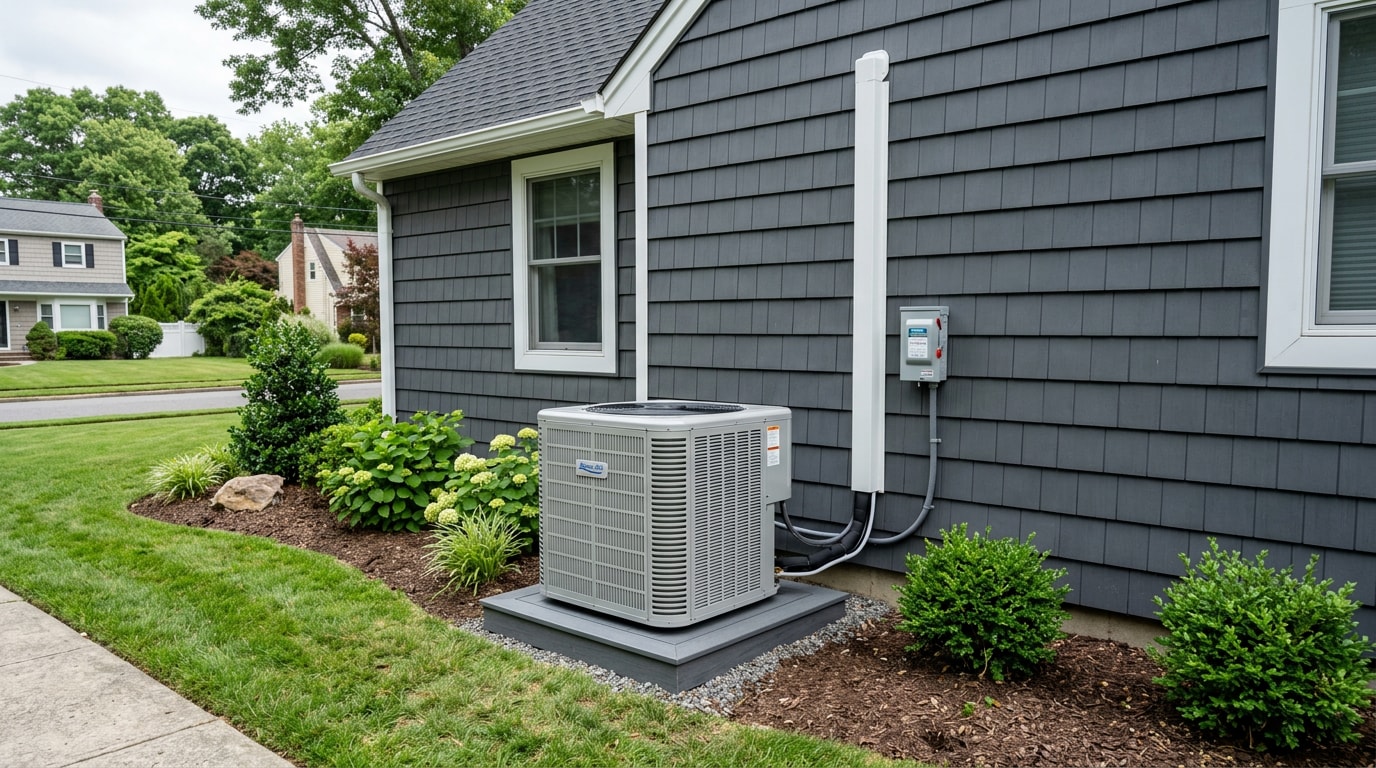
Siting deserves a mention if you are near the water. Salt air corrodes outdoor coils and cabinets, so coastal homes benefit from coated coils, elevated pads, and enough clearance to rinse the unit seasonally. We build that into quotes for homes in Montauk and other shoreline neighborhoods.
PSEG Long Island Rebates and How to Keep Yours
The distinction that decides your incentive is simple. A heat pump that becomes the home's primary heat can earn the PSEG Long Island rebate. An air conditioner only system does not.
A few rules worth knowing before you budget:
- The rebate is paid as a flat amount that varies by income tier, not a percentage of the job.
- PSEG requires a participating contractor and income verification for the enhanced tiers, per the PSEG Long Island heat pump rebate requirements.
- Equipment models must meet program efficiency requirements, so raise the subject during quoting, not after installation.
- If the heat pump becomes your primary heat, ask PSEG whether your account qualifies for its residential electric heating rate.
Program tiers and funding pools change, sometimes mid-year. Verify current amounts on the live program page before you build a budget around them.
The Step-by-Step Installation Process
A well-run job follows a predictable sequence:
- In-home assessment and load calculation: measurements, insulation check, duct inspection, electrical review
- System design and equipment selection: tonnage, efficiency tier, equipment placement
- Permit filing: submitted by the contractor to your town building department
- Removal and disposal of old equipment
- Rough-in: line sets, duct runs, condensate drains, electrical roughed to the unit
- Duct sealing and insulation: ducts in attics, basements, and crawl spaces need insulation, which matters here where overnight temperatures in the 20s are normal in January
- Electrical and refrigerant connections: circuit terminated, system evacuated and charged
- Commissioning and final airflow test: static pressure, temperature split, refrigerant verification, thermostat setup
Inspections bracket the middle of that list. A rough-in inspection happens before anything gets concealed, and a final inspection once the system runs.
On your end, clear working paths to the attic hatch, basement, electrical panel, and outdoor unit location. Move stored boxes away from the air handler. Keep pets in a closed room, and expect power to be off for stretches on the electrical day.
Most straightforward replacements wrap in one to two days. You can see examples of completed work on our projects page.
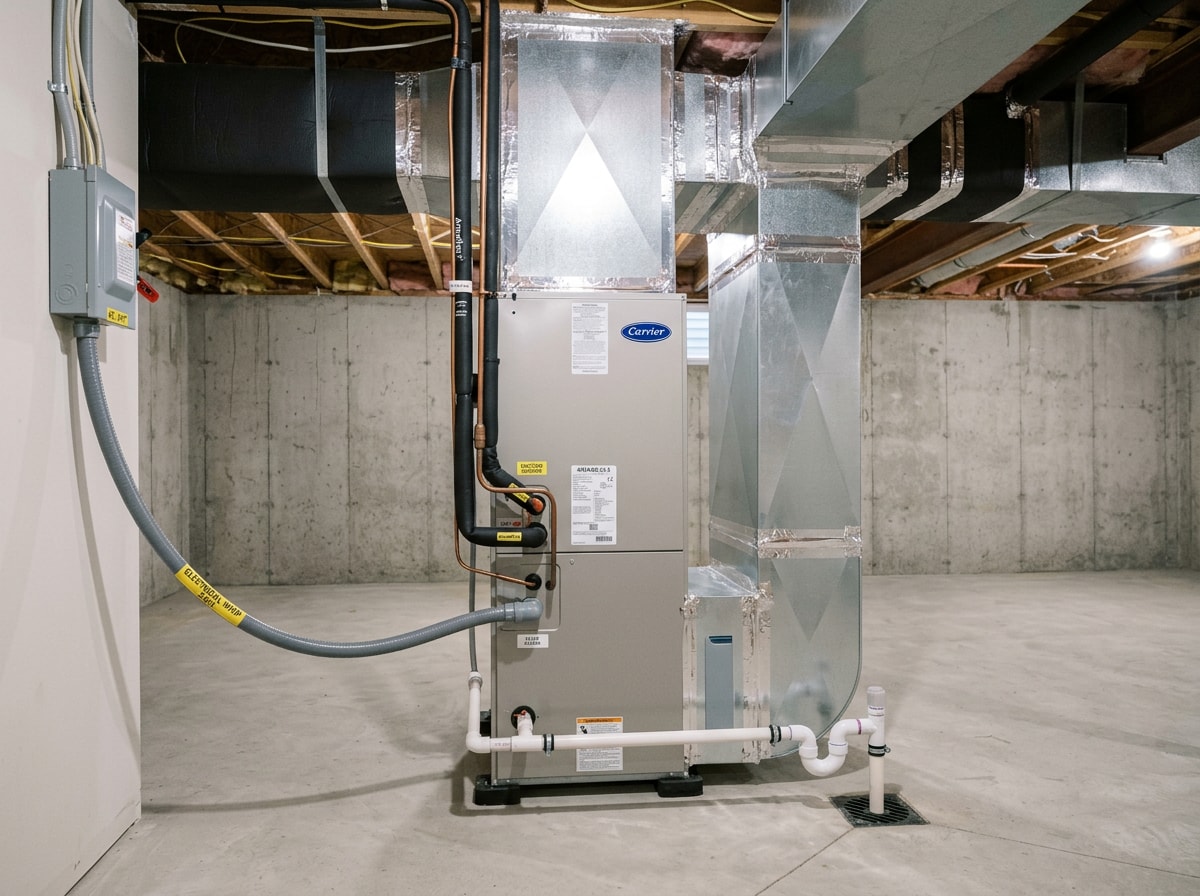
Licensing, Permits, and Inspections in Suffolk County
Home improvement work in Suffolk County requires a county license, and ductwork appears as its own sub-category in the county's licensing codes. Verify the license before signing anything through the Suffolk County Division of Consumer Affairs, which handles licensing and complaint history. A logo on a truck is not verification.
Most installations also require a permit from the local building department, with that rough-in inspection before ducts are closed up and a final once the system operates.
Requirements vary by town. The East End towns maintain their own permitting rules, and what Brookhaven asks for is not identical to Southampton or East Hampton. Confirm the specifics for your town rather than assuming one county-wide standard covers you.
One red flag worth taking seriously: a contractor who says permits are not necessary, or who asks you to pull them. Unpermitted work can surface later during a home sale, and a homeowner-pulled permit shifts liability onto you.
What Should Be Included, Plus Warranties
A complete install should cover the outdoor condenser, indoor coil or air handler, refrigerant lines, a new thermostat, electrical connections, full system commissioning, and removal and disposal of the old equipment. If a bid is unusually low, one of those is usually missing.
Warranties come in two layers:
- Manufacturer parts warranties typically run 5 to 10 years, and most require registration within a set window after installation.
- Labor warranties come from the installing contractor and vary widely. Get yours in writing.
Improper installation can void manufacturer coverage, which is one more reason commissioning documentation matters. Keeping up with annual HVAC maintenance also protects most parts warranties, since manufacturers can deny claims on neglected equipment.
How to Vet an Installer in This Market
Run every bidder through the same six checks:
- Current Suffolk County home improvement contractor license
- Pulls its own permits and schedules both inspections
- Performs a Manual J instead of eyeballing square footage
- Itemizes equipment, labor, ductwork, electrical, and permits separately
- Is a PSEG participating contractor and handles the rebate paperwork
- Provides a written estimate and a written labor warranty
Suffolk County housing stock is largely 40 to 60 years old. Retrofit judgment, meaning the ability to read an old duct system or spot a panel that will not carry the load, matters far more than which brand ends up in your side yard. If you are weighing a smaller local shop against a large outfit, our guide to vetting small HVAC companies in Suffolk County covers the tradeoffs.
Amonte HVAC installs central air, ductless, and heat pump systems across Suffolk County, and you can see the full range of HVAC contractor services or start at our homepage. When you are ready for numbers on your own house, get a free estimate and we will walk the home before quoting.
FAQ
How much does it cost to install HVAC in Suffolk County, NY?
Most Suffolk County installs land between $8,000 and $22,000 in 2026. Central air with reusable ductwork sits at the lower end, a ducted cold-climate heat pump at the higher end, and ductless falls in between depending on zone count.
How much is a new HVAC system for a 2,000 square foot house?
Expect roughly a 3 to 4 ton system and a typical installed range of $11,000 to $16,000 before any rebate. A Manual J calculation can move that tonnage up or down based on insulation, windows, and air leakage.
How long does HVAC installation take?
One to two days for a straightforward replacement. A new installation that includes fresh ductwork can run three days to a week depending on home size and complexity. A one or two zone ductless job is often finished in a single day.
Do I need a permit for HVAC installation in Suffolk County?
Yes, in nearly all cases. Central and ductless installations typically require a permit from your town building department, plus rough-in and final inspections. Your contractor should file it, and you should not be asked to pull it yourself.
Is there still a federal tax credit for a new HVAC system in 2026?
No. The Section 25C credit applied to qualifying property placed in service through December 31, 2025. Treat any 2026 quote that includes it as a red flag and confirm current rules with the IRS or your tax preparer.
Do heat pumps still get a PSEG Long Island rebate?
Yes, when the heat pump becomes your home's primary heat and the work is done by a participating contractor using qualifying equipment. Cooling-only systems do not qualify. Amounts are flat and vary by income tier, so verify the current figure with PSEG before budgeting.
When should I replace my air conditioner instead of repairing it?
Use three tests. A well-maintained central system typically lasts 12 to 18 years on Long Island, so age alone can decide it. If a repair costs more than half of replacement, replace. And if the unit still runs R-22 refrigerant, which is no longer produced or imported in the United States, recharges get expensive fast. If you are unsure, an air conditioning repair visit can settle it before you spend on a new system.
What is the best time of year to install a new system?
Spring and fall. Crews are less backlogged than during the first heat wave or the first hard freeze, and scheduling is more flexible. If your heat fails mid-winter, emergency HVAC service is the faster path, and replacement can follow once you are warm again.
Is a ductless mini-split cheaper than central air?
For one or two rooms, yes. Once you need four or five heads to cover a whole house, ductless often costs as much as or more than central air in a home with usable ducts, because price scales with zone count rather than square footage.