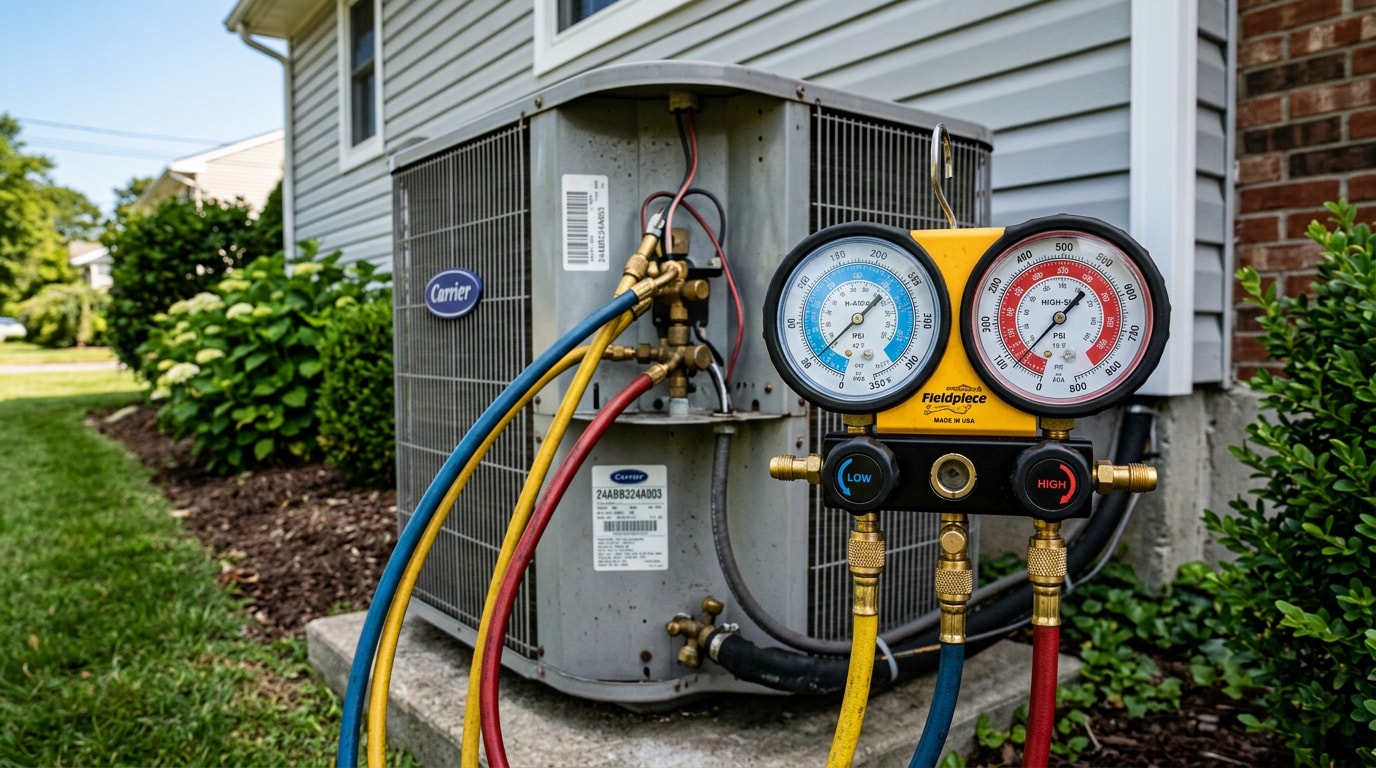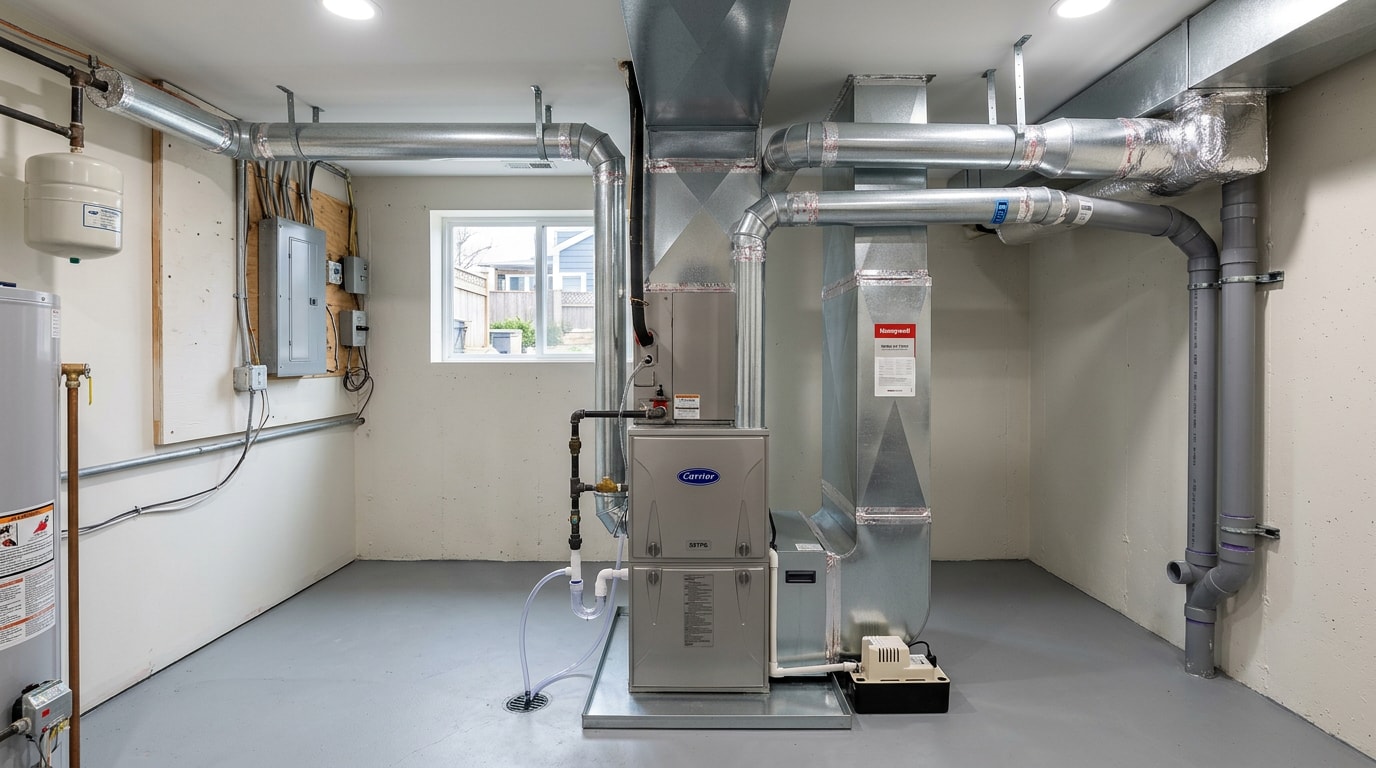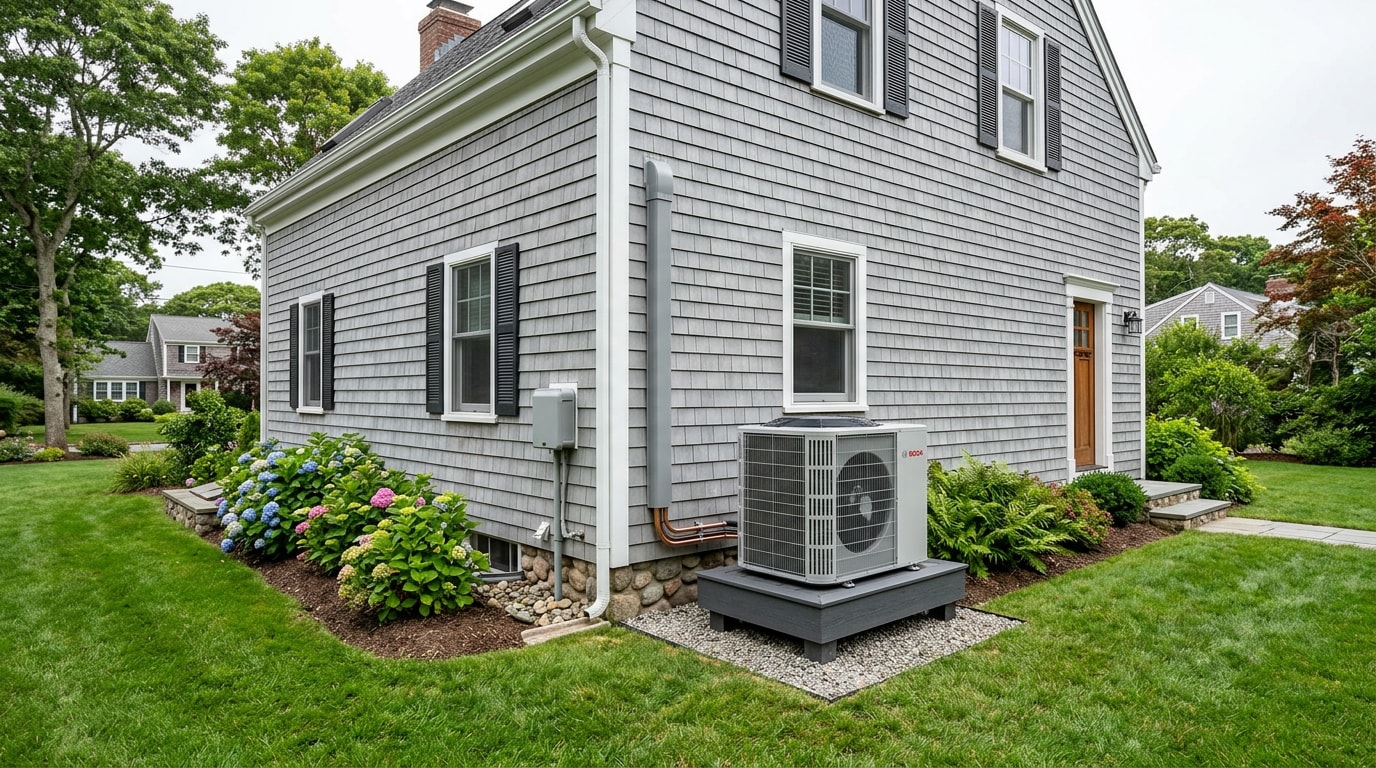
You searched for small HVAC companies near me in Suffolk County, NY because you want a crew with a local address, not whoever bought the top ad slot. Good instinct, but a two truck shop still has to prove it, and in Suffolk there is a county license you can verify in about two minutes. Below is the verification process, real 2026 price ranges, and the single rebate question that tells you whether a quote is worth reading.
Start Here: Verify the Suffolk County License
Most guides tell you New York has no statewide HVAC contractor license and stop there. That is only half true, and the missing half is the part that protects you.
Suffolk County licenses home improvement contractors at the county level through the Office of Consumer Affairs. It is against the law to operate a home improvement business in Suffolk County without a license, and the Office of Consumer Affairs can tell you whether a contractor is licensed and whether the firm has a complaint history.
The requirement sits in Suffolk County Code Chapter 563, alongside Article 36-A of the General Business Law.
That matters more than most homeowners realize. Courts have repeatedly held that failing to hold the required local home improvement license typically bars a contractor from recovering on the contract and can prevent lien enforcement.
So the license is not paperwork trivia. It is your leverage if a job goes sideways.
The 10 Minute Verification, In Order
- Look up the license under the legal entity name. Not the salesperson, not the truck lettering. The county publishes contractor license information and complaint forms through the Suffolk County Office of Consumer Affairs, and
you can also call 631-853-4600 to confirm a license and check complaint history .
- Ask for the EPA 608 card.
Federal regulations under Section 608 of the Clean Air Act require that technicians who maintain, service, repair, or dispose of equipment that could release refrigerants be certified. Type II covers most residential work. See what the credential actually requires on the EPA Section 608 certification page.
- Request a certificate of insurance sent directly from the agent, naming you as certificate holder. General liability plus workers compensation. Hesitation is your answer.
- Ask who pulls the permit and whether the inspection is included in the price.
- Get the quote in writing with model numbers, not a category like "3 ton system."
One caution on the 608 card: Section 608 certification credentials do not expire , so a valid card proves refrigerant training, not recent training. Pair it with a question about the newer low global warming potential refrigerants now shipping in residential equipment.
What HVAC Work Costs in Suffolk County in 2026
These are the ranges we see across our own Suffolk service area this year. They move with access, equipment tier, season, and fuel type. The written estimate always governs.
| Job | Typical Suffolk range (2026) | What moves the number |
|---|---|---|
| Diagnostic visit | $95 to $185 | After hours and holiday rates run higher |
| Seasonal tune up | $120 to $250 | Boiler tune ups sit at the top of the range |
| Maintenance plan, two visits | $180 to $400 per year | Priority dispatch and parts discounts vary |
| Capacitor or contactor replacement | $180 to $450 | Part availability, unit age |
| Condenser fan motor | $400 to $900 | OEM vs. universal motor |
| Refrigerant leak repair | $450 to $1,500+ | Leak location, refrigerant type |
| Furnace or boiler repair | $200 to $900 | Control board and circulator jobs run higher |
| Single zone ductless mini split | $4,500 to $7,500 | Line set routing, electrical capacity |
| Full system replacement | $8,000 to $18,000+ | Ductwork condition, capacity, staging |
A bid far below every other bid is a warning, not a win. In practice it usually means no permit, no insurance, or change orders waiting in the second week.
If your system is limping rather than dead, our breakdown of air and heating repair signs and 2026 costs on Long Island walks through the repair versus replace math before you spend on a new unit.
The 2026 Rebate Question That Filters Half Your List
This is where a lot of Suffolk quotes are still wrong, and it is the fastest way to separate a current contractor from a stale one.
The federal tax credit is gone. The residential energy credits, including the clean energy credit, ended December 31, 2025 , per the ENERGY STAR federal tax credits page. Section 25C expired under the One Big Beautiful Bill Act, and heat pumps installed in 2026 do not qualify for that credit.
If a 2026 proposal still shows a $2,000 federal credit netted against your price, the contractor is quoting from last year's cheat sheet. Ask for a corrected number.
The Long Island rebate runs through the utility. PSEG Long Island offers rebates on eligible ENERGY STAR rated models, and to be eligible you must use one of its participating contractors. Current terms are posted on the PSEG Long Island heat pump rebate page.
Two details from that program are useful as a competence test, whether or not you want a heat pump:
The heat pump system must meet 100 to 120 percent of the entire dwelling heating load, and a Manual J calculation is required.
Qualifying cold climate air source heat pumps generally must appear on the NEEP Cold Climate list.
Ask any small shop on your list whether they are an enrolled participating contractor and whether they run Manual J in house. A yes to both means they already do load calculations as routine work. A vague answer means the sizing on your quote is a guess.
Why a Small Local HVAC Company Often Wins
Response time. A shop covering three or four towns can be at your door in hours because its trucks are not spread from Montauk to the Queens line chasing call volume. That gap is widest in a July heat wave, which is exactly when it costs you.
Pattern recognition. A tech who has opened a hundred 1950s Levitt era ranches already knows where the ductwork was shortcut and which boilers in your ZIP code are past saving.
Accountability. When the owner is on the truck, or one call from it, there are fewer layers between the person who wrote your quote and the person doing the work. Small companies in Suffolk live on word of mouth, and a bad job travels fast through a neighborhood.
When small is the wrong call. A two truck outfit can be booked solid for three weeks in August. If you need a full changeout before a closing date, or you have a commercial rooftop unit down, ask directly about crew availability and lead time before you fall in love with the estimate. A good small shop will tell you when it cannot hit your date.
You can see the range of work we handle on our HVAC contractor services page, and browse finished jobs on our projects gallery to compare workmanship rather than adjectives.
Suffolk County Conditions That Change Who Can Do the Work Well
Three local realities separate contractors who do good work here from contractors who merely work here.
Coastal Corrosion
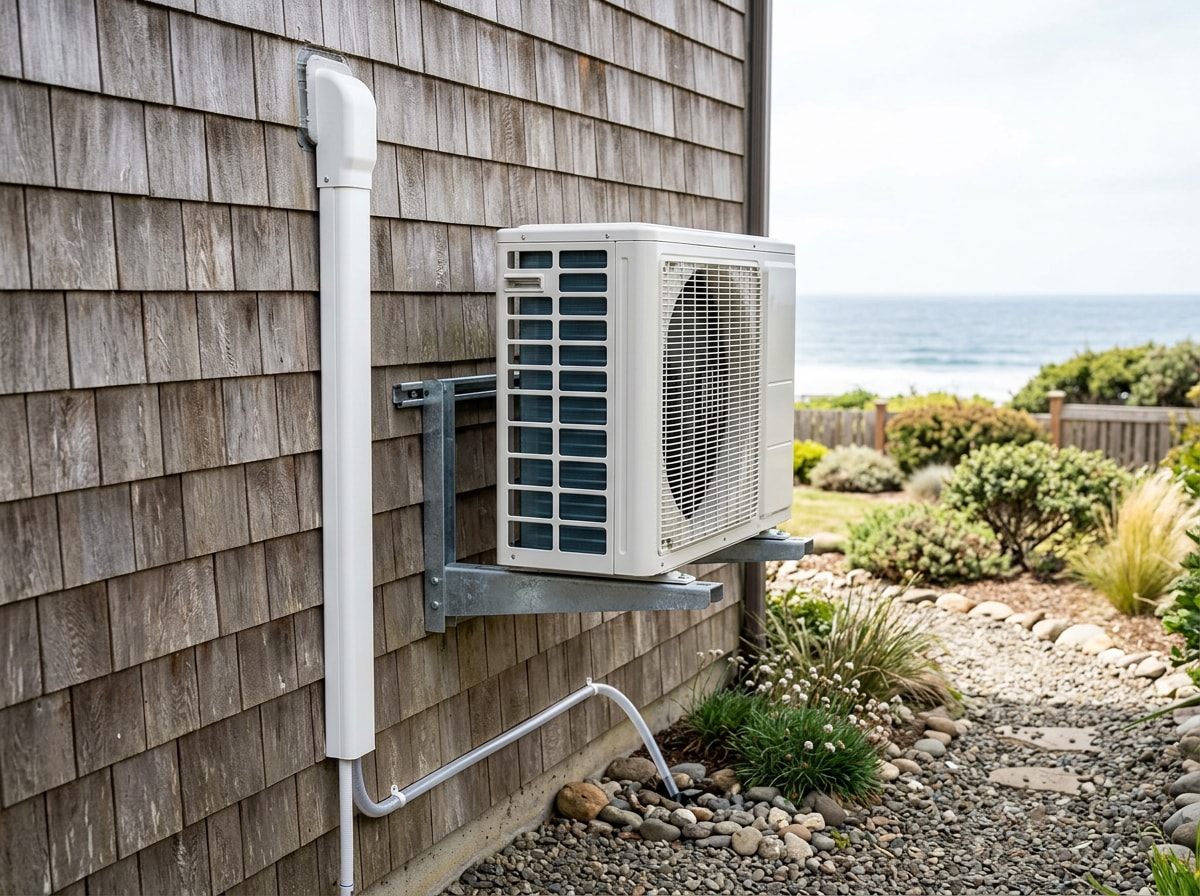
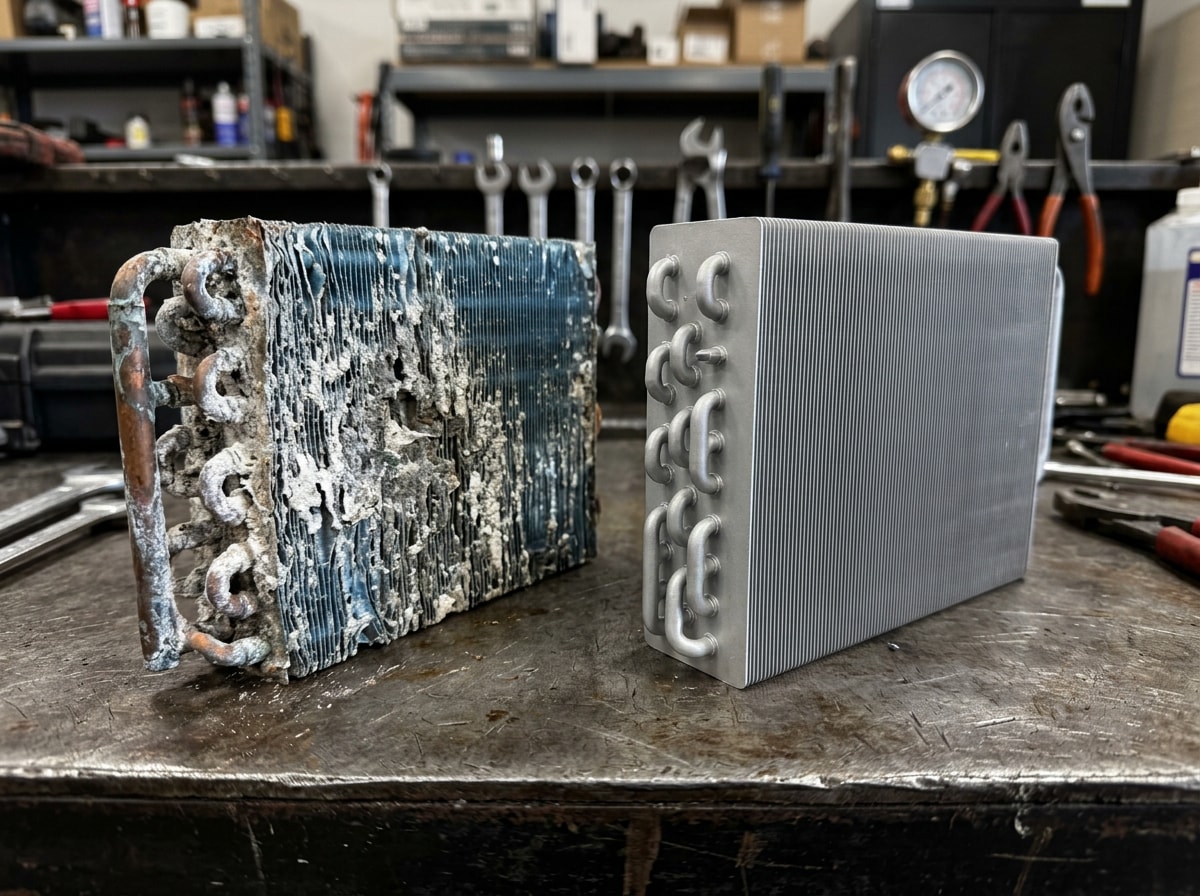
Salt air along the South Shore and the East End eats condenser coils and fasteners. In Babylon, Islip, and the bay front communities we regularly find units pitted through years ahead of their rated life.
Coated coils and an elevated pad should appear on the quote as standard spec, not as a surprise upcharge after installation. A contractor without coastal experience quotes the wrong condenser and you replace it early.
Undersized Return Air
Pre 1960 capes and ranches across Suffolk were built with return paths that cannot feed modern equipment. If nobody mentions Manual D duct design or measuring static pressure, you are buying a larger system that will run worse and short cycle.
This is the most common cause of the "new system, same hot bedroom" complaint we get called out to fix.
Fuel Conversions and Old Boilers
Suffolk still has a large share of oil heated homes. Ask about oil to gas conversion experience, steam versus hot water boiler work, and whether the crew handles the chimney liner and abandonment details.
If your heating side is the weak link, start with heating system repair or, for a tired unit, boiler installation.
Permits Are a Town Job, Not a County Job
Brookhaven, Huntington, Islip, and Southampton each run their own building department with their own fees and inspection windows. A contractor who works one town well may be slow in another.
Unpermitted mechanical work also surfaces during a title search and can stall a closing years later.
How to Build Your Own Shortlist: A 6 Point Scorecard
There is no honest "top 10 small HVAC companies" list that a stranger can write for your street. Build your own with criteria you can check yourself.
- County license verified under the legal entity name, with complaint history clean.
- Manual J, D, and S practice. Load calculation, duct design, equipment selection. Ask them to name the software.
- Rebate enrollment. Participating contractor status with the utility program, in writing.
- Warranty terms stated separately. Parts term and labor term, each named in years.
- Pricing transparency. Flat rate quote, disclosed diagnostic fee, disclosed overtime rate.
- Real emergency coverage. A technician dispatches, not an answering service that takes a message. Our emergency HVAC service page explains what a genuine after hours call should look like.
Score three companies on all six. The winner is rarely the cheapest and almost never the loudest.
Reading Reviews Without Getting Fooled
Read for specifics, not stars. The most useful reviews name the technician, describe the actual failure, and mention what happened on the callback.
Every company eventually has to fix something twice. How they handled that tells you more than a perfect average.
Check volume against company size too. Forty detailed reviews from homeowners in Ronkonkoma and Sayville is a stronger signal than two thousand five word ratings spread across three counties. Sort lowest first and read the owner replies.
Questions to Ask at the In Home Estimate
What you listen for matters as much as the question.
- Will you perform a Manual J load calculation? A good answer describes measuring rooms, windows, and insulation, not "we will match what is there."
- Who pulls the permit? The contractor does, and says so without pausing.
- Is the quote flat rate and itemized, with model numbers? Yes, in writing, before deposit.
- What is the parts warranty and what is the labor warranty? Equipment parts are commonly 10 years with registration. Labor should be stated separately, often one to two years.
- Are you enrolled to file the utility rebate? They should name the program and say who submits the paperwork.
- Who answers the phone at 9 p.m. in January? A name and a dispatch process, not a voicemail box.
- What is your down payment?
County consumer guidance advises avoiding firms that want a large down payment and suggests a fair down payment is under 15 percent , with payments tied to completed phases.
Ready for a written number you can actually compare? Get a free estimate and we will put the scope, model numbers, and permit responsibility on one page.
Red Flags That End the Conversation
- No county license number on the contract.
- Pressure to sign today for a "this week only" price.
- Cash only, or a deposit demanded before any paperwork.
- A replacement quote written without anyone measuring the house.
- A 2026 proposal that still deducts a federal tax credit.
- Refusal to pull a permit, framed as saving you money.
What We Do Here
Amonte HVAC is a small, owner run shop. We install, repair, and maintain heating and cooling systems across Suffolk and Nassau, and we do the unglamorous parts ourselves: load calculations, static pressure readings, permits, and inspections.
Most of our callbacks in the last two cooling seasons were not failed equipment. They were airflow problems inherited from an earlier install that skipped the duct work, which is why we measure before we quote.
Explore the services homeowners here book most:
- Air conditioning repair
- HVAC installation
- HVAC maintenance
- Water heater installation and repair
- Whole home water filtration installation
See the towns we cover on our Suffolk County service area page, our Long Island coverage map, or start at our home page.
FAQ
Do HVAC contractors need a license in New York?
There is no single statewide HVAC contractor license. In Suffolk County, though, home improvement contractors must hold a county license issued by the Office of Consumer Affairs, and EPA 608 certification is separately required by federal law for refrigerant work. Verify the county license and ask to see the 608 card.
How do I check if a Suffolk County HVAC company is licensed?
Search or call the county Office of Consumer Affairs using the company's legal business name. The office can confirm licensing and share the firm's complaint history by phone at 631-853-4600.
How much does HVAC service cost in Suffolk County?
Expect roughly $95 to $185 for a diagnostic visit, $120 to $250 for a seasonal tune up, and $180 to $400 per year for a two visit maintenance plan. Full replacements commonly land between $8,000 and $18,000 depending on ductwork and capacity.
Is there still a federal tax credit for a new heat pump in 2026?
No. Section 25C expired December 31, 2025 under the One Big Beautiful Bill Act, and heat pumps installed in 2026 do not qualify. Utility rebates are now the main savings path on Long Island.
Are small HVAC companies cheaper than big ones?
Often, but not always. Small shops carry lower overhead and less advertising spend, which usually shows up in labor rates rather than equipment cost. Large firms may beat them on financing terms and August availability, so compare both on the same written scope.
Do I need a permit to replace an HVAC system in Suffolk County?
Yes, in effectively every Suffolk jurisdiction. Permits and inspections are issued by your town building department, and fees and approval windows vary between towns. Your contractor should pull it. If one suggests skipping the permit, stop there.
How often should I have my HVAC system serviced?
At minimum once a year. Ideally the air conditioning in spring and the heating system in fall. Annual service also satisfies the maintenance requirement most manufacturer warranties impose.
How long does a full system replacement take?
Most straightforward residential changeouts run one to two days. Add time for duct modifications, electrical upgrades, chimney liner work on a fuel conversion, and the inspection appointment after the equipment is running.
What size system do I need?
Whatever the Manual J load calculation says, not whatever is sitting there now. Old systems were frequently oversized, and copying that number carries the mistake into your new equipment. Oversized units short cycle, leave humidity behind, and wear out compressors early.